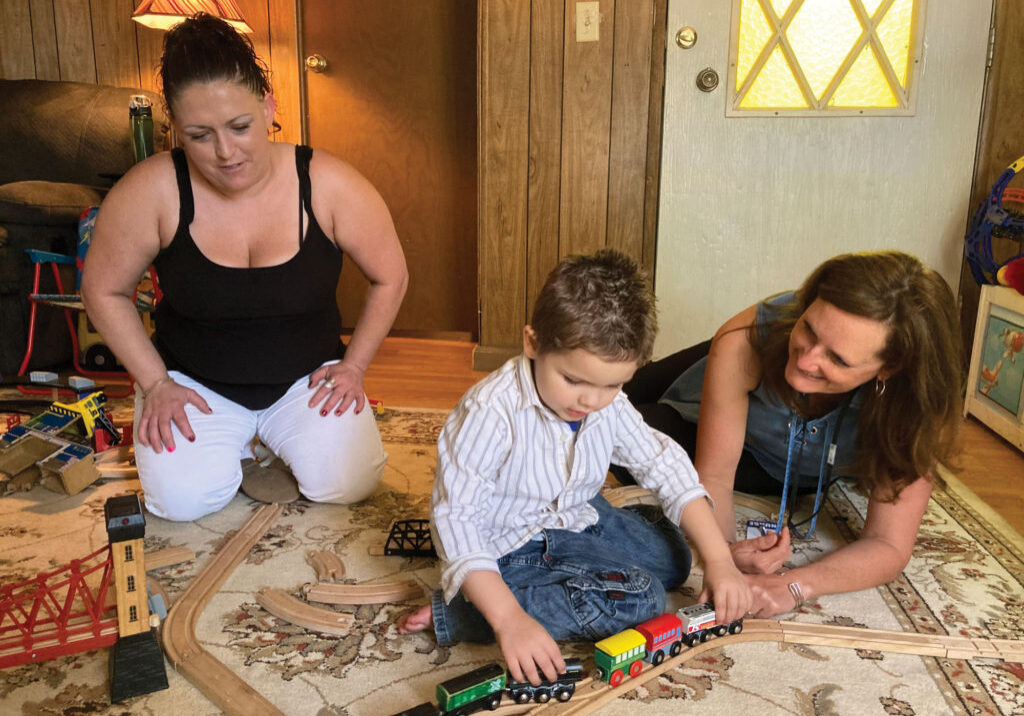
By the time July rolls around, the novelty of summer break has officially worn off. The pool passes are punched. The camps are finished. And somewhere around 10 am on a Tuesday, you hear it: “I’m bored.” It’s tempting to reach for a tablet or queue up another movie. But experts say that boredom isn’t a crisis. It’s an opportunity. “When kids aren’t scheduled every minute, they learn how to problem-solve, explore their interests and build confidence,” says therapist
Nicole Runyon.
The Science of Doing Nothing
Research backs up what many parents instinctively feel: unstructured time is not wasted time. A well-cited study found that children who spend more time in less-structured activities show better self-directed executive function, which is the brain’s ability to plan, focus and regulate emotions. The American Academy of Pediatrics emphasizes that child-led play enhances brain structure and protects against stress. Children’s brains still light up during daydreaming and downtime. So when a child stares at the ceiling while doing nothing, their brain is actually doing important work. That said, parents don’t need to abandon structure in the summer entirely. “Just a little bit of structure can lead to lifelong memories,” notes the Children’s Trust of South Carolina Parent Advisory Council. The key is balance.

Below is a tiered guide to surviving the midsummer slump, organized by how much effort you have to give.
Low-Prep (Minimal Parent Effort)
These activities work when you have a deadline, a headache or just can’t generate the energy for much more.
The Everything Box:
Hand your child a large cardboard box, markers, tape and stickers. Then ask:
“Is this a rocket, a library or a cave?” Research shows that physical containment increases focus. Inside the box, the world fades away, allowing deeper imaginative play.
Nature Scavenger Hunt:
Send them outside with a specific mission: “Find 10 rough items, 10 smooth items and 10 green things.” Challenge them to arrange their finds into a
museum display.
The Boredom Box:
Fill a bin with tape, cardboard tubes, string, clothespins and stickers. Rotate items monthly. Studies show that open-ended materials force children to practice planning, working memory and cognitive flexibility.
Pro tip:
If your child follows you around whining, try saying, “If you’re bored, I can find you a chore.” A 75-year Harvard study found that children who do chores are happier as adults, more empathetic and more successful in their careers.
Medium Effort (Parent Sets Up, Kid Executes)
You’ll only need to gather supplies, but then you can step back.
Potion Station:
Set up bowls of water, baking soda, vinegar, food coloring and cornstarch (preferably outdoor or in the garage). Challenge them to create a “sleeping potion” or “volcano juice” with no instructions. This is chemistry and sensory regulation disguised as magic. It teaches cause-and-effect and encourages refining “recipes” through trial and error.
Narrative Stones:
Give your child smooth stones and paint pens. Ask them to paint symbols (a key, a moon, a cat, a door). Once dry, have them pull three stones at random and invent a connecting story. Weaving different elements into a narrative draws on skills ranging from writing to logic.
Backyard Cartography:
Provide a clipboard, paper and markers. Task them with mapping the backyard or a local park. Then have them hide a treasure marked with an “X” for you to find. Translating a 3D world onto 2D paper requires complex spatial visualization and shifts their perspective from participant to observer.
Gardening:
Give each child a small patch of garden or a few pots to plant flowers or vegetables. Young children can plant larger seeds and water with small cans. Older kids can handle weeding and learning about composting. Gardening teaches biology, patience and responsibility. Even better, it gets everyone outside.
High-Adventure (Multiday or Parent-Intensive)
Best for weekends or when you have real energy and time to invest.
Game Theory and Design: Challenge your child to invent a board game from scratch – designing the board, sculpting pieces with clay, and most importantly, writing the rule book so it’s playable. This is the ultimate critical thinking exercise. They’ll quickly realize that a game without clear rules leads to chaos. They must playtest, find “bugs” in their logic and tinker until the game is fair.
The Rube Goldberg Machine: Challenge them to perform a simple task (ringing a bell or popping a balloon) in the most complicated way possible using dominoes, string, springs and recyclables. A longitudinal study on play and creative problem-solving found that children engaged in imaginative play demonstrated significantly higher gains in flexibility and originality. This task will fail twenty times before it works, which teaches kids that failure is simply data for the next attempt.
The Great Bake-Off: They choose a recipe, check the pantry and execute the bake entirely on their own. If the store is within safe walking distance, let them do the shopping solo. Baking is chemistry. It demands focus, exactness and patience. Serving a creation they managed from start to finish offers a sense of pride no video game can match.
A Note on Screens: None of this works if screens are the default setting. Instant stimulation short-circuits the quiet period that leads to self-directed play. If you’re going to use screens, use them together. Watch a family movie, try a cooking tutorial as a family or limit screen time to certain hours.
You don’t need to be your child’s summer entertainment director. The research is clear. Encouraging a little boredom is a summer gift because it’s when kids start to figure out who they are.
Posted in: Health & Nutrition

Comment Policy: All viewpoints are welcome, but comments should remain relevant. Personal attacks, profanity, and aggressive behavior are not allowed. No spam, advertising, or promoting of products/services. Please, only use your real name and limit the amount of links submitted in your comment.
You Might Also Like...

7 Success Strategies for Working Moms
Motherhood is a rewarding but exhaustive around-the-clock job, but I see you, mamas, out there breadwinning, too. Due to the rising cost of childcare, lack of paid maternity leave and […]

Lying or Pretending? Teaching Kids to Tell the Truth
Somewhere around the age of three, when children begin to understand parents may not know what they actually did or didn’t do, your precious little angel may begin to tell […]

Smart Produce Shopping — Look for the Clean 15 & Avoid the Dirty Dozen
Smart Produce Shopping — Look for the Clean 15 & Avoid the Dirty Dozen The Environmental Working Group has released its annual Dirty Dozen and Clean 15 lists of fresh […]

Protecting Kids from Diet Culture
David’s mom is fat. She needs to go on a diet.” When my sweet kindergartener innocently uttered this line after school one day, I couldn’t hide my shock. After experiencing […]