Smart Produce Shopping — Look for the Clean 15 & Avoid the Dirty Dozen
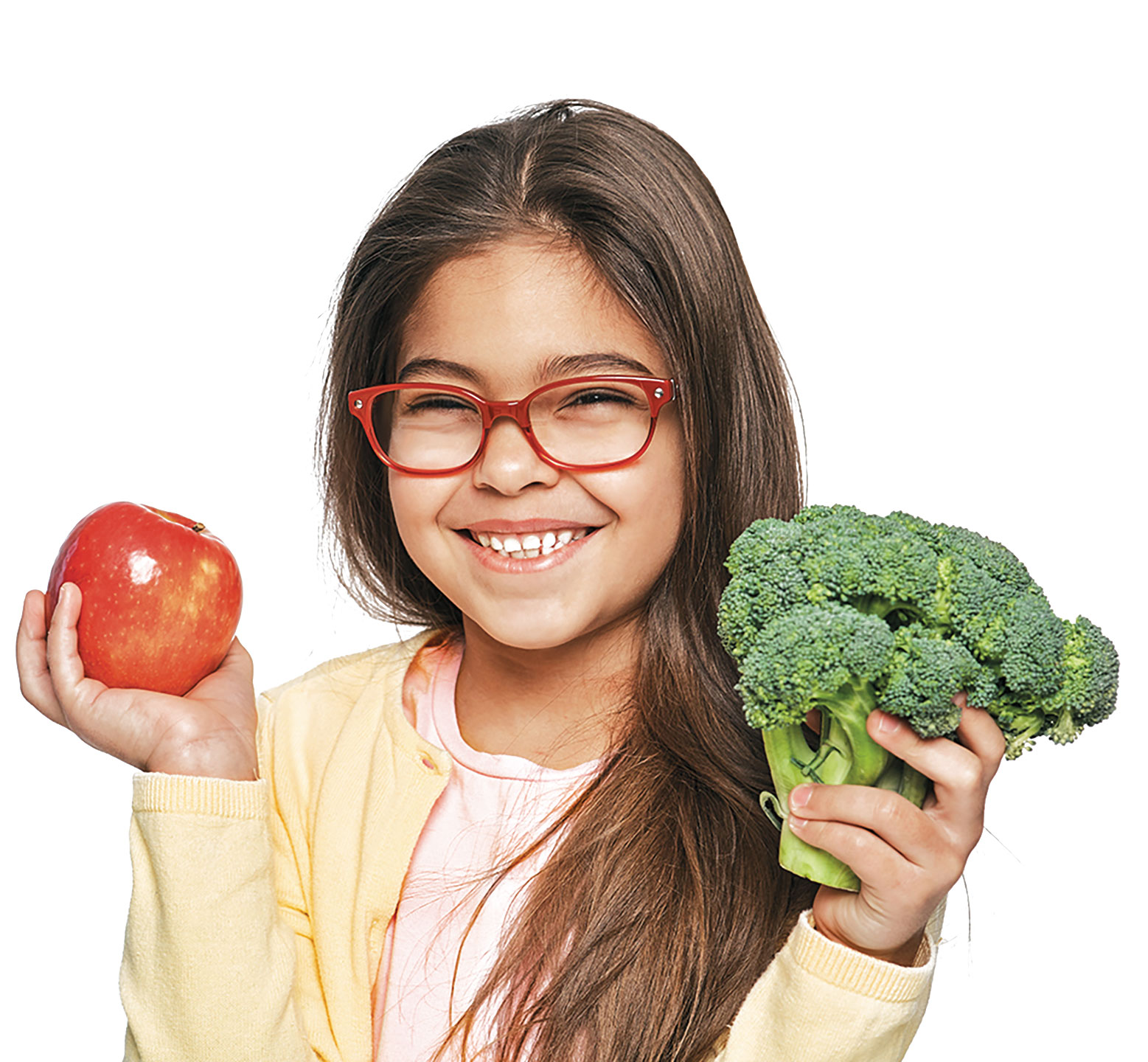
The Environmental Working Group has released its annual Dirty Dozen and Clean 15 lists of fresh produce items that consumers should avoid and seek, based on pesticide residue levels. The EWG compiles its annual list by analyzing U.S. Department of Agriculture data “to identify which fresh fruits and vegetables are most and least contaminated with pesticide residues.”
This year, collard and mustard greens join kale on the dirty list, as well as bell peppers and hot peppers for the first time. And although no citrus item makes the dozen, EWG notes that more than 90 percent of citrus fruits had toxic pesticides on them when tested.
“This year, the USDA’s tests found residues of potentially harmful chemical pesticides on nearly 70 percent of the non-organic fresh produce sold in the U.S.,” EWG said in a press release. “Before testing fruits and vegetables, the USDA washes, scrubs and peels them, as consumers would.”
EWG toxicologist Thomas Galligan, Ph.D, said, “We urge consumers who are concerned about their pesticide intake to consider, when possible, purchasing organically grown versions of the foods on EWG’s Dirty Dozen, or conventional produce from our Clean Fifteen.”
Here are the 2021 Dirty Dozen:
- Strawberries
- Spinach
- Kale/Collard/Mustard greens
- Nectarines
- Apples
- Grapes
- Cherries
- Peaches
- Pears
- Bell and hot peppers
- Celery
- Tomatoes
Here are the items on the Clean 15:
- Avocados
- Sweet Corn
- Pineapples
- Onions
- Papayas
- Frozen sweet peas
- Eggplant
- Asparagus
- Broccoli
- Cabbage
- Kiwifruit
- Cauliflower
- Mushrooms
- Honeydew
- Cantaloupe
Posted in: Health & Nutrition

Comment Policy: All viewpoints are welcome, but comments should remain relevant. Personal attacks, profanity, and aggressive behavior are not allowed. No spam, advertising, or promoting of products/services. Please, only use your real name and limit the amount of links submitted in your comment.
You Might Also Like...
Budget-Friendly Grocery Tips
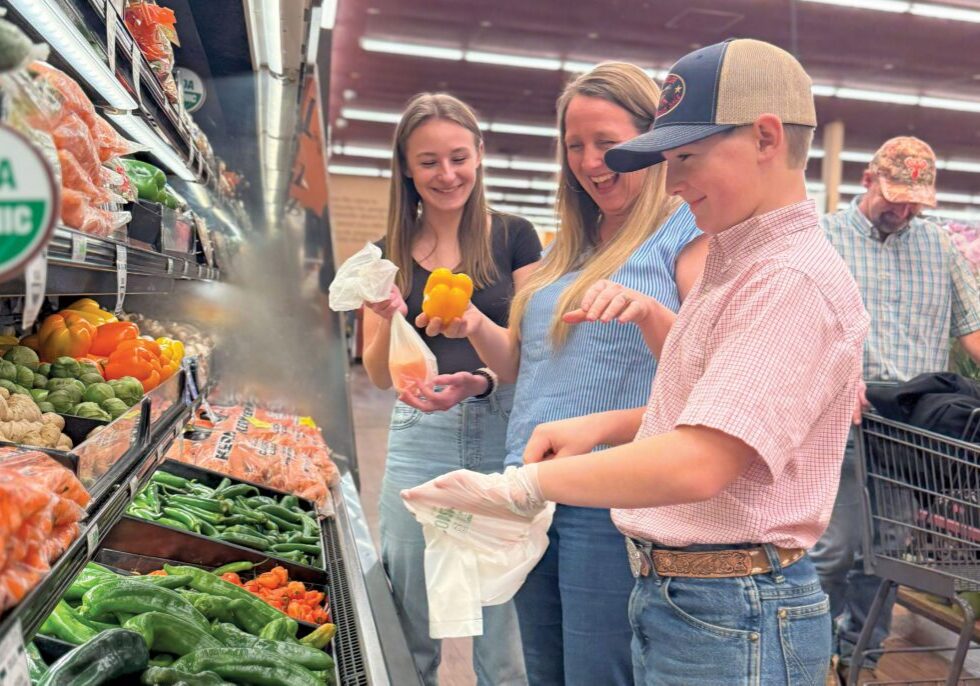
With the cost of food rising, watching the family food budget and stopping those budget-busting money leaks, while providing nutritious meals your family will enjoy has become essential for many […]
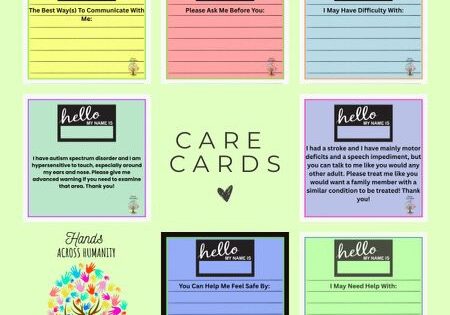
Hospital Care Cards: A Resource for Self-Advocacy for Those with Disabilities or Chronic Illness
A trip to the emergency room can be a stressful experience for anybody, let alone somebody with a disability or chronic health conditions. Caught in a whirlwind of overwhelming symptoms, […]

Your Kids’ Cereal – Part of a Nutritious Breakfast? Nah.
I am old enough to remember when Honey Smacks cereal was called Sugar Smacks. So it’s no surprise to me that a serving of the cereal has more sugar than a […]

Empower Tehama – Helping Stop the Cycle of Domestic Violence
In its first four weeks, “Maid,” a 2021 TV series telling the true story of a woman fleeing domestic violence with her young daughter, was Netflix’s top watched miniseries of […]