Omega Essential Fatty Acids
You’ve probably heard a lot about the importance of getting enough Omega-3 and Omega-6 acids in your diet.
- But what are they?
- And why are they important?
It’s time to get the skinny on these essential fatty acids or EFAs for short.
What Are Omegas?
Essential fatty acids, which include Omega-3 and Omega-6, are polyunsaturated fats that differ in their chemical structure. And they’re essential because of the many health benefits they deliver. For starters, they help build new cells that are critical for developing the central nervous system. Plus, they help your body function properly, improve heart health, boost your body’s ability to absorb nutrients, and keep brains healthy.
Because EFAs are vital to your health—essential—it’s important that you get enough of them. The catch? Your body can’t produce EFAs on its own, meaning that you need to get these good-for-you fats from food.
Why Do We Need Them?
Among other functions, fat carries vitamins A, D, E, and K through your body, keeps skin healthy, and promotes good vision. Specifically, essential fatty acids benefit your brain, heart, and metabolism, playing important roles in processes like inflammation and blood clotting.
- Omega-3: These powerhouse EFAs improve heart health, boost brain function, support infant brain development, help with weight management, promote bone density, decrease liver fat, and reduce inflammation.
- Omega-6: These fatty acids provide energy, promote bone health, decrease nerve pain, maintain a healthy reproductive system, and support muscle health.
Where Are the Best Places to Get Them?
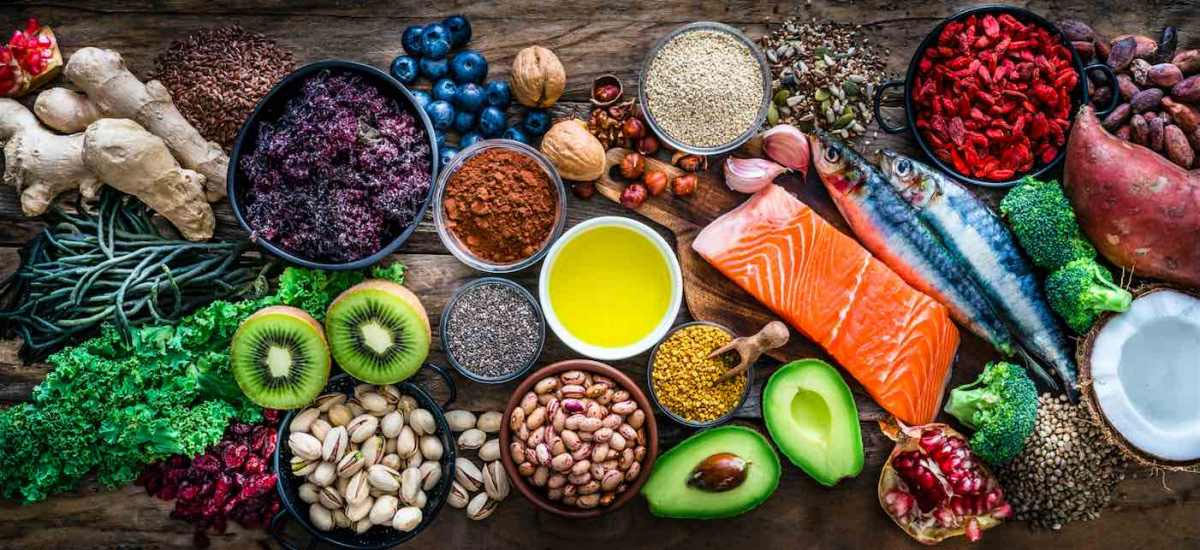
Like most nutrients, you should first turn to food sources before considering a supplement. Here are your top bets for getting EFAs through healthy food choices.
- Omega-3: Look to fatty, cold-water fish such as salmon, sardines, shrimp, tuna, bluefish, herring, mackerel, and black cod. Omega-3 fortified eggs are another option, as well as vegetarian sources like walnuts and flaxseed. But your best bet is seafood.
-
- Tip: When trying to get your kids to eat fish, take a kid-friendly approach to recipes. Try baking salmon in teriyaki sauce or making tuna sliders or, serve shrimp as finger food with a side of orange marmalade as a dipping sauce.
- Omega-6: Go-to healthy sources include plant-based oils such as safflower, walnut, and extra-virgin olive oil, and seeds and nuts like sunflower seeds, pecans, and pine nuts.
- Tip: Add seeds and nuts to salads or crush them up and use them as breading for baked fish or chicken.
Strike the right balance
Aim for the right balance of Omega-6 and Omega-3 fatty acids. In the Western world, most people eat plenty of Omega-6s, but not enough Omega-3s. Too much Omega-6 might contribute to chronic diseases such as asthma, cancer, and obesity. Health experts recommend a dietary ratio of Omega-6 to Omega-3 fatty acids of 4:1 or less. Research suggests that a high Omega-6/low Omega-3 diet increases inflammation, while a diet with a balanced level of these fats decreases inflammation.
Posted in: Health & Nutrition

Comment Policy: All viewpoints are welcome, but comments should remain relevant. Personal attacks, profanity, and aggressive behavior are not allowed. No spam, advertising, or promoting of products/services. Please, only use your real name and limit the amount of links submitted in your comment.
You Might Also Like...

Winter Greens – A Delicious Way to Support Your Immune System
Winter Greens Are Immune Boosting Foods After holiday cookies and before Valentine’s Day chocolates, it is time to nourish yourself and your immune system with some fresh veggies. The USDA […]

Covered California: What You Need To Know About The New Healthcare Marketplace
According to the California Healthcare Foundation’s 2012 annual report entitled “California’s Uninsured: Treading Water,” in 2011 nearly 7.1 million people under the age of 65 were not covered by health […]
Silly, Healthy Birthday Breakfast
Birthdays mean cake and ice cream, right? And maybe a piñata full of candy? Sometimes birthdays can mean one big sugar rush. To get the next birthday in your house […]
Ditch the Itch – A Family Guide to Fewer Mosquito Bites
When I was growing up, summer meant barbeques, swimming at the lake, and trying to avoid the pink polka dot treatment of calamine lotion. It’s safe to say, no one […]