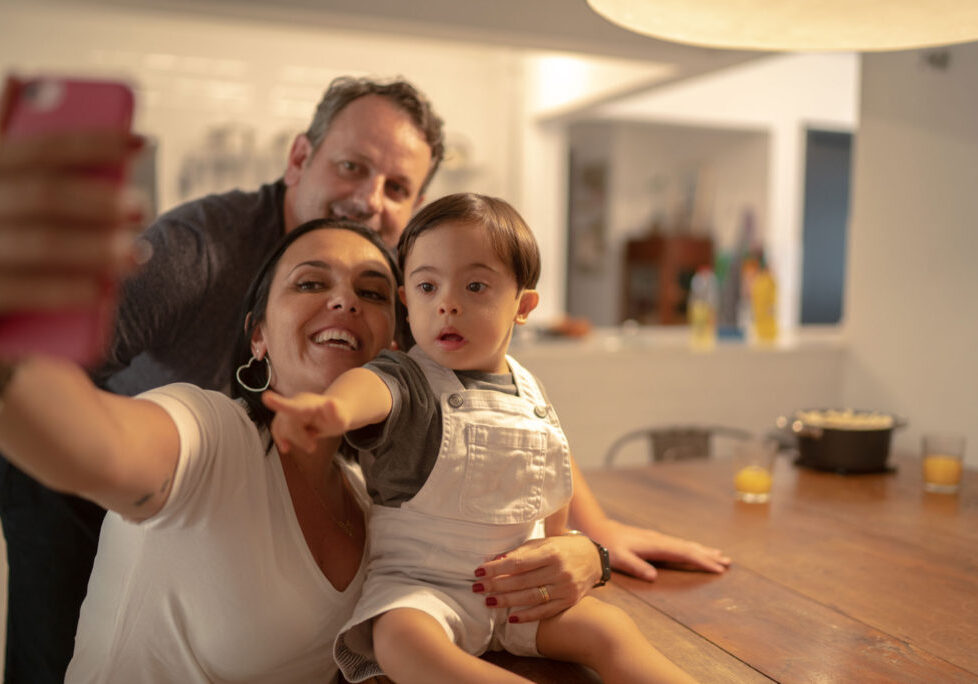
“I’m fine.” It’s the answer we give in the school pickup line, at the pediatrician’s office and to the friend who cheerfully asks how it’s all going. If you’re a parent raising a child with a disability, you’ve probably said it dozens of times this month alone; not because you’re willfully lying, but because it’s fast and easy, even if some days it’s not even close to the truth.
So why do we say we’re fine when we’re not?
Sometimes It’s Easier to Keep it Simple
One of the most common reasons is that we don’t have the energy to explain. After a friend we haven’t seen in a while asks, saying “I’m fine” is simpler than describing the last few months of medical issues, dealing with insurance companies over prior authorizations, and the nuances of dealing with the symptoms of our child’s diagnosis. The real answer takes twenty minutes and emotional bandwidth we don’t have left today. And sometimes we’re touched out, talked out and running on fumes, and “I’m fine” is just the last bit of social energy we can spare before we need to sit in the car and breathe.
Compassion Fatigue and the Reflexive Greeting
Saying “I’m fine” avoids the head tilt, the “oh, you poor thing,” and the sympathetic sigh that quietly turns us into a cause instead of a person. We start to answer honestly and somewhere around the second sentence, eyes glaze over and faces shut down. So now we tend to edit ourselves before we even open our mouths.
“How are you?” is often a greeting, not a genuine question. It’s a social reflex, not an invitation. We choose “fine” because it lets both of us off the hook.
Uninvited Advice
Other times, it’s self-preservation. We’ve learned that “not fine” invites advice we didn’t ask for and nothing drains us faster than pouring our heart out only to get “You should try . . .” or “Couldn’t you just . . .” Believe me, if we “could just,” we would have already.
Sometimes the truth is that we genuinely don’t know how we are. Between appointments, logistics, and the constant motion of the day, there’s rarely a moment to check in with ourselves, let alone report back to someone else.
As our kids get older, there’s another layer to it. Their stories are increasingly theirs to tell, not ours. What felt like honest venting when they were five can feel like a privacy violation when they’re fifteen. We say “fine” partly to protect them from being defined by their hard moments.
What You Can Do, Even When We Say We’re Fine
You can’t force honesty out of someone who isn’t ready to give it and you shouldn’t try. But there are quieter ways to show up that don’t require us to say a lot.
Skip the open-ended check-in. “How are you?” is easy to deflect. Try something specific instead: “How was the IEP meeting?” or “How’s the new medication going?” Specific questions signal that you’re really paying attention, not just being polite – and they’re easier to answer honestly because they don’t require summarizing everything at once.
Offer something concrete instead of a general offer to help. “Let me know if you need anything” puts the work back on us. We must identify a need, ask for it and coordinate the logistics. Concrete offers like “I’m dropping off dinner Thursday” or “I’m free Saturday morning if you want me to sit with the kids so you can shower in peace” are often just what we need.
Sit with us through the hard stuff
Most of the time, we’re not looking for solutions; we need someone to validate our situation and just listen. Fixing is a reflex for a lot of people, especially the ones who love us most, but it can quietly send the message that our feelings are a problem to be managed rather than something worth simply witnessing.
What helps more than you know is someone willing to sit in the discomfort alongside us, without rushing to smooth it over. If we vent, resist the urge to problem-solve unless we ask – sometimes the most supportive thing you can say is nothing at all: just “I’m here.”
Posted in: Special Needs

Comment Policy: All viewpoints are welcome, but comments should remain relevant. Personal attacks, profanity, and aggressive behavior are not allowed. No spam, advertising, or promoting of products/services. Please, only use your real name and limit the amount of links submitted in your comment.
You Might Also Like...
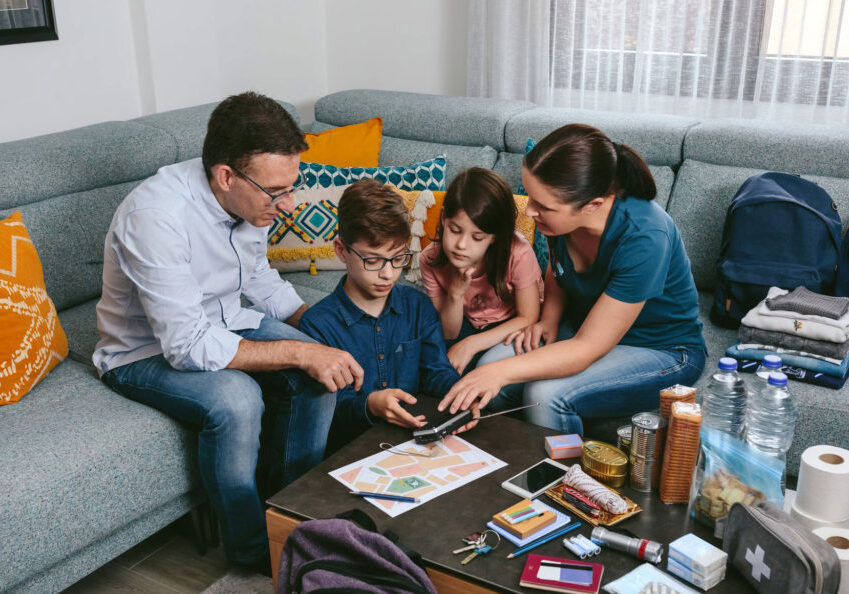
Preparing for an Emergency When You Have a Medically Fragile Child
With raging wildfires, power outages, and widespread cases of COVID-19, the North State has been in crisis mode for the last several months. As parents of a medically fragile child, […]

Special Education Teachers Have Challenging, Rewarding Careers
Teaching students with special needs is a challenging, rewarding career. Special education programs are designed for students with intellectual, developmental, physical, or emotional delays which can place them behind their […]
How to Talk to Young Kids About Disabilities and Differences
For many parents, the first time their child asks about or points out a person with a disability in public is an awkward experience. Even if the child already has […]
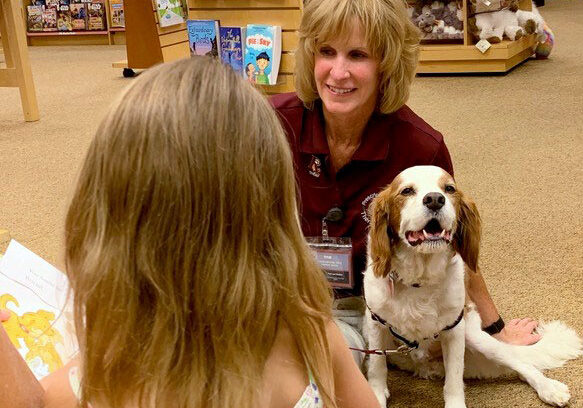
Prescription Pets and Therapy Dogs
Prescription Pets Therapy Dogs Program – Redding, CA The healing power of pets It’s a well-known fact that animals can be therapeutic. Animals not only connect with people in a […]