With raging wildfires, power outages, and widespread cases of COVID-19, the North State has been in crisis mode for the last several months. As parents of a medically fragile child, being prepared for an emergency is something we’ve gotten used to over the years. Granted, it’s usually only medical emergencies that we’ve had to deal with, but after the Carr Fire in 2018, I started researching how to be more prepared in the event of a natural disaster. In the past year and a half, I’ve had to prepare and plan for what might happen if my medically fragile child got sick.
Being prepared helps avoid the worst outcomes
For families of children who have significant medical needs, planning for emergencies involves more than the typical family plan. We have things like mobility equipment, medical equipment and supplies, medications, and other necessities of daily life that most families don’t.
We can’t prevent a natural disaster, and even though we can take strong precautions against illness, it’s better to try to avoid the worst outcomes by being prepared.
Hospitalization during the pandemic
Parents of kids with complex medical needs typically always have a bag ready to go because hospitalizations are a way of life for us. Having our children hospitalized is scary enough, but being hospitalized during a pandemic adds a whole new layer of stress.
COVID-19 precautions have thrown a monkey wrench into things, however, and now we need to be even more prepared than usual.
There is usually much anxiety surrounding hospital visitor policies, but most hospitals allow one caregiver to accompany a minor child and room in with them. Now, though, depending on how prevalent COVID cases are in the area, hospitals may not allow that one person to come and go, so having a bag packed with more than just the basics is a good idea.
Many emergency rooms are overwhelmed and short-staffed with long wait times. Many of our medically complex North State kids are flown to UC Davis or UCSF in emergencies because the local hospitals aren’t equipped to handle their needs. If pediatric units are full in local hospitals, this may also be the procedure for less acute cases.
Be proactive and discuss the protocol
If you’re worried about a possible hospitalization for any reason, be proactive. Communicate with your child’s care team and discuss the protocol for possible hospitalization.
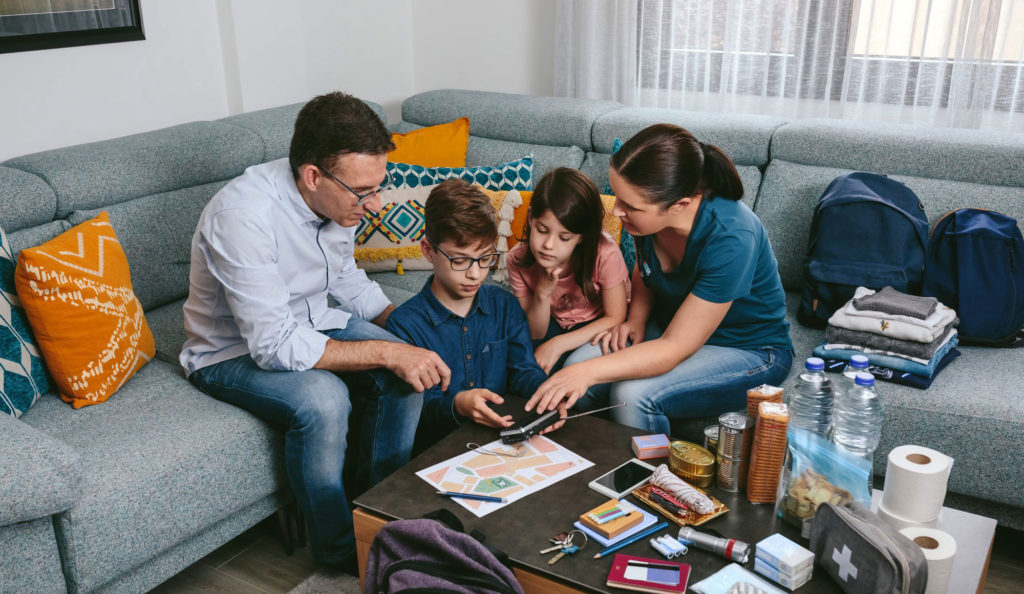
A plan for evacuation — add these items to your “go” kits
The possibility of being evacuated because of wildfire is becoming an ordinary reality for many in the North State. Therefore, it’s always a good idea to have some bags ready to go just in case. Aside from the usual items in a “to-go” kit such as flashlights, first aid kits, medications, important papers and mementos, families with medically complex children should consider a few extra things.
Back up any medical documents on a flash drive or cloud storage like Google Drive.
You can have extra medical supplies ready to go, but call your medical supply companies and find out what their policies are in the event of an evacuation. A lot of equipment is portable, but even so, some wildfires were so intense that people had minutes to evacuate and no time to leave with any more than the clothes on their back.
In the case of separation, especially for non-verbal kids, it’s a good idea to have a small identification (ID) card or bracelet with essential information to keep with them at all times. It can include:
• A list of diagnoses
• A list of medications and dosages
• Allergies
• Instructions on how to use medical equipment and devices
• Insurance information
• A description of the child’s triggers or behavioral needs
• Contact information for family and doctors
A plan for power outages
Power outages during storms and rolling shut-offs are also common in this area of the state. Families with kids who require power for medical or other assistive devices need to consider how to maintain these devices if there is a loss of power. If your area is prone to shut-offs, it may be wise to invest in a generator.
Some medical insurance programs can provide resources for generators, especially if your child needs breathing (respiratory) support like a portable ventilator, CPAP or BiPAP machine, or oxygen monitor.
If your child is dependent on electric medical equipment, be sure to register with your local utility company. Many communities allow people with a disability to register with local police and fire departments so that assistance can be provided quickly in an emergency. In addition, many utility companies have a priority need option you can register for, which puts those in need on a priority list for notifications of power outages and shut-offs.
Preparation eliminates last-minute panic
Being prepared for an emergency is important for all families, but preparation takes on a new level of urgency for those who have children with complex medical needs. Being ready and prepared for various crises will eliminate a lot of last-minute panic and worst-case scenarios during an emergency.
Posted in: Special Needs, Uniquely Us

Comment Policy: All viewpoints are welcome, but comments should remain relevant. Personal attacks, profanity, and aggressive behavior are not allowed. No spam, advertising, or promoting of products/services. Please, only use your real name and limit the amount of links submitted in your comment.
You Might Also Like...

Out and About Shasta County Fosters Independence and Inclusion for Disabled Adults
For parents and caregivers of adults with developmental and intellectual disabilities, finding activities in their community that fit their needs can be difficult. While there are plenty of programs for […]

Strengthen Your Relationship When Raising a Child with Special Needs
Raising a child with special needs is equally difficult and rewarding. The daily challenges of parenting a child with special needs can be taxing, leaving parents feeling physically, emotionally, and […]
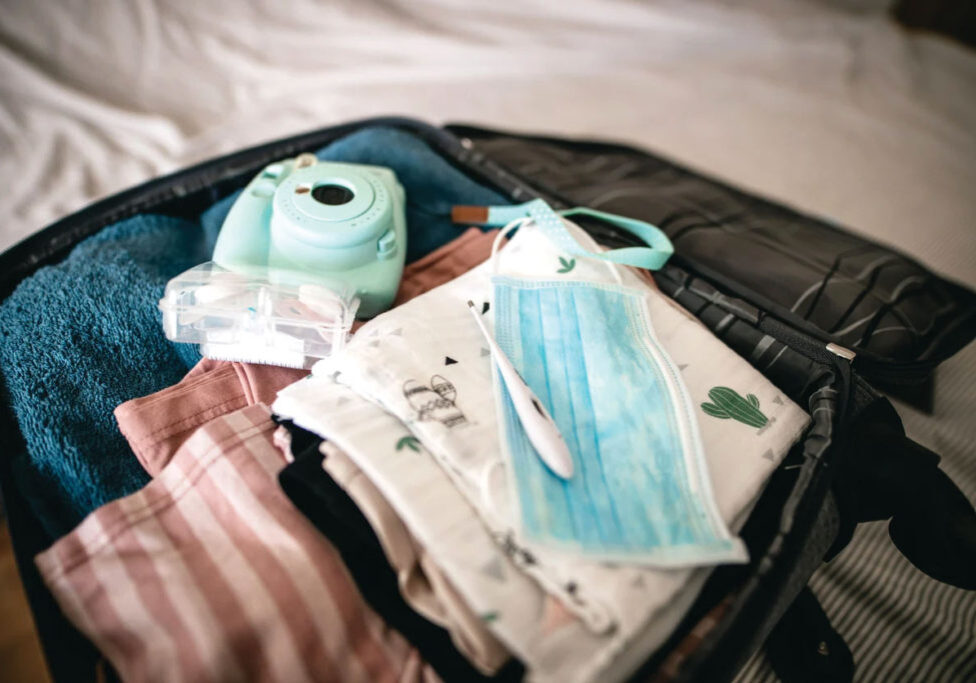
What to Pack in a “To-Go” Hospital Bag in Case of an Emergency
If you’re the parent of a medically complex child, you’re probably used to the unexpected. It’s crucial, especially with everything happening with COVID-19, to prepare for anything, including a medical […]

Sensory Processing Disorder – Working Through the Struggles
“Imagine being in an environment where the noise around you is amplified to the highest level, the temperature is the coldest or hottest you have ever felt, you are wearing […]