

By the time Father’s Day arrives, many families are tired. The school year has just wrapped up. Summer schedules are shifting. Camps are starting. But work has not slowed down at all. And yet, tucked inside all that movement, many families wonder how to slow down and make Father’s Day meaningful. Father’s Day marketing suggests that the answer is simple. Buy something. Upgrade something. Or surprise him with something.
But when children and dads look back on Father’s Day years from now, they are unlikely to remember the grill accessories or the new tie. They will remember how the day felt. And that feeling does not require a shopping cart.
What Children Actually Remember About Father’s Day
Research on childhood memory consistently shows that emotional tone shapes long-term recall more than material detail. In other words, children are far more likely to remember moments of connection rather than material objects.
If the goal of Father’s Day is connection, then the most powerful gifts are often experiences rather than purchases. Inside jokes stick and being invited into an adult’s story lingers.

Shifting From Presents to Presence
Instead of asking, “What should we buy?” consider asking, “What would help Dad feel seen?” For many fathers, what feels meaningful is surprisingly simple: time without multitasking, genuine appreciation and participation rather than performance.
A Pew Research Center survey found that modern fathers overwhelmingly identify “being a good parent” as central to their identity. Many also report feeling pressure to balance work and family responsibilities. Recognition of that effort can be affirming and greatly appreciated.
Children can be guided to express that acknowledgment in developmentally appropriate ways, like:
- A handwritten note that says, “I like when you play with me.”
- A drawing of a favorite shared moment.
- A short list titled “Things I Learned from My Dad.”
The more specific, the better. Specificity makes appreciation feel genuine and powerful.
Invite Kids into Dad’s Story
One of the most meaningful Father’s Day rituals requires no money at all. Ask Dad about his childhood. What games did he play? What did summer feel like when he was eight? What did he get in trouble for? What was his favorite toy? His favorite book? You might turn this into a simple interview. Let kids ask the questions. Write down the answers. Record them on a phone. Suddenly Father’s Day becomes about story, not stuff.
Research suggests that children who know more about their parents’ childhoods demonstrate stronger resilience and identity formation. When children understand that their parents were once children too, family bonds deepen.
Recreate a Childhood Joy
Another meaningful option is to do something Dad loved as a child. Maybe it is a backyard water fight, a pickup basketball game or pancakes shaped like animals. When children participate in something that mattered to their father growing up, they step into shared history. The day shifts from consumption to connection. And the memory formed belongs to everyone.
Let It Be Imperfect
There is often pressure on mothers or partners to orchestrate Father’s Day flawlessly with the right gift, the perfect meal and a coordinating commercial card. But perfection is not required for meaning. If the kids make the pancakes and they burn slightly, that is part of the story. If the homemade card is misspelled, it will likely be cherished longer than a store-bought one.
Research on gratitude shows that expressing appreciation, even imperfectly, strengthens relationships more than receiving material gifts alone. What matters is the act of noticing.
Make Space for Rest
Sometimes the most meaningful gift is quiet. Fatherhood often includes invisible labor, financial responsibility and worry that no one else sees. Creating intentional space for rest can communicate deep respect. That might mean a long morning coffee alone, an uninterrupted nap or an hour to read or walk without obligation. Rest is not laziness. It is restoration. When families build in rest as a sign of appreciation, they communicate something subtle but important: Your well-being matters to us.
When Father’s Day Feels Complicated
Not every family’s story is simple. There are single mothers helping children honor a father who lives elsewhere. There are stepfathers building new traditions. And there are families grieving a loss. In these situations, meaning still lives in small acts. Light a candle and share one memory. Write a letter that may or may not be sent. Thank the mentor, grandfather or coach who shows up consistently. Connection can be honored in many forms.
Keep the Focus Narrow
Father’s Day does not need to be a production or a performance. Choose one or two intentional actions. Keep the day simple. Let children participate in
planning something small because the goal is not spectacle. It is recognition.Years from now, your child may not remember what was wrapped in paper. But they may remember sitting on the floor together, listening to Dad describe the tree he once fell out of or laughing over badly flipped pancakes.
They may remember that on that day, their father felt appreciated. And they may carry forward the understanding that love is shown most powerfully not in what we buy, but in how we show up.
Simple Father’s Day Traditions Kids Will Remember:
Children remember moments. A few simple traditions can turn the day into something kids look forward to every year.
- The Dad Interview: Ask Dad the same five questions each year. Write down the answers. Over time, kids create a meaningful family record.
- Adventure Jar: Fill a jar with simple activities such as a pancake breakfast, family bike ride, board game afternoon, or ice cream outing. Dad draws one on Father’s Day.
- Annual Dad Photo: Take one photo of Dad with the kids in the same place or pose every year. Watching the changes over time becomes part of the tradition.
- Dad Teaches Something Day: Invite Dad to teach the family a skill he enjoys. It might be grilling, fixing something, throwing a football or building something together.
- Gratitude Notes: Each family member writes a short note about something Dad does that makes them feel supported or loved.
Small rituals like these help children see Father’s Day as a celebration of connection rather than consumption. Over time, those moments can become the memories families treasure most.
Posted in: Family Life & Support

Comment Policy: All viewpoints are welcome, but comments should remain relevant. Personal attacks, profanity, and aggressive behavior are not allowed. No spam, advertising, or promoting of products/services. Please, only use your real name and limit the amount of links submitted in your comment.
You Might Also Like...

Grief isn’t Just About Death: The losses we don’t talk about
When we think of grief, we usually picture the death of a loved one. We imagine funerals, sympathy cards, casseroles dropped off at the door and the Five Stages of […]

Showing Up for Children Makes a Lasting Impression On Their Brains
Showing up in our lives and in the lives of our children is the juicy nectar of living fully. There is big meaning in that sentence. Take a moment to […]
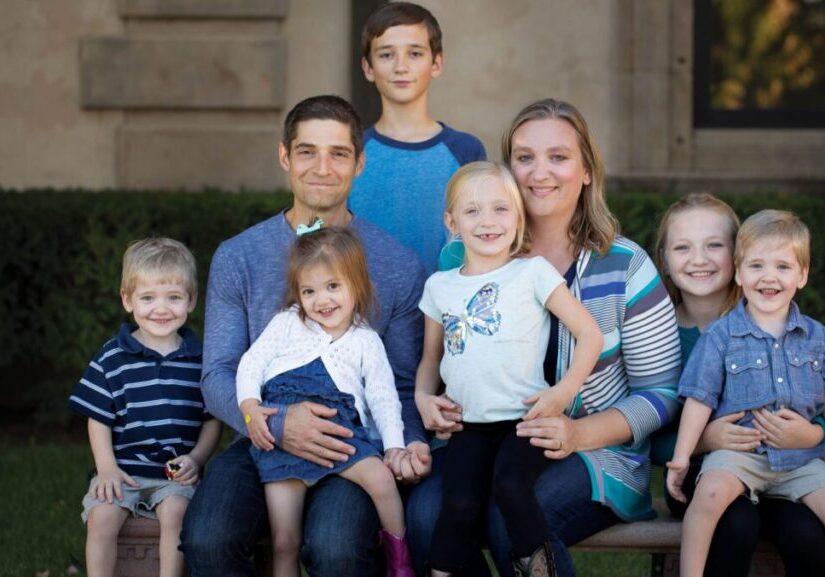
Three to Six in Fourteen Weeks
One year ago we were an average family. We had three children ages 8, 6 and 2 and we were busy with the average family things like dance lessons, scouts, […]
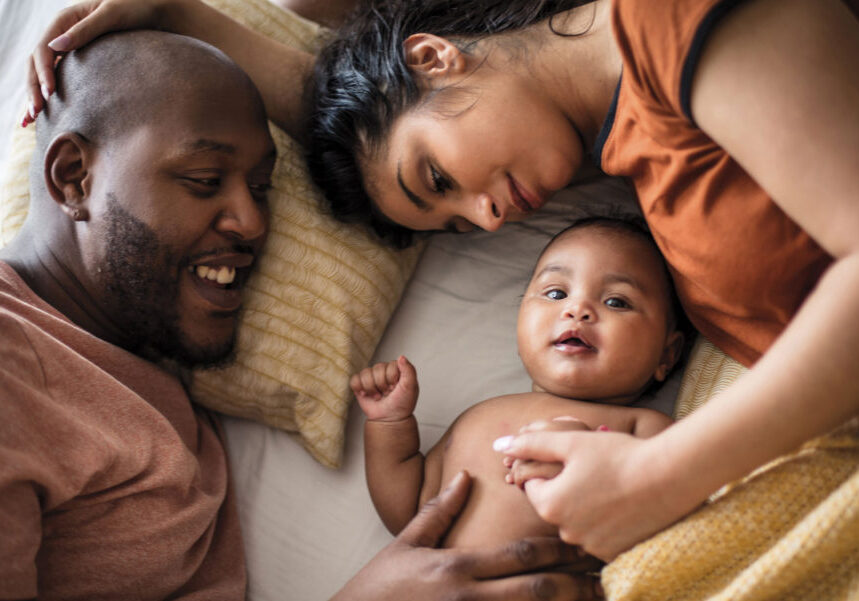
Same-Page Parenting With Young Children
Parenting young children is hard. It is even harder if you and your partner are not aligned in your child-rearing game plan. A strategy called same-page parenting with young children […]
From One Dad to Another: Being Your Child’s Safe Harbor
I sit with men every day who talk about their deepest struggles—anxiety, depression, years of buried emotions. Often, these conversations circle back to a common thread: “I wish my father […]
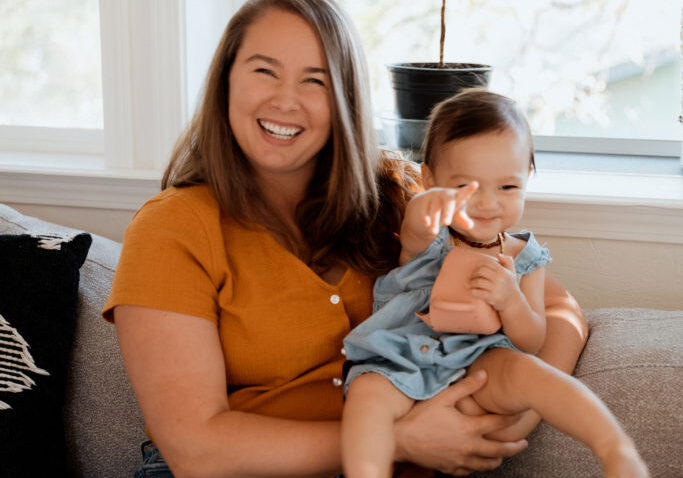
How Doulas Can Help Moms And Families During And After Childbirth
According to the non-profit organization, DONA International (DONA.org), “From the beginning of time, people have been cared for and nurtured during pregnancy, birth and postpartum. Family, friends and neighbors from […]