Heart Disease is Often Subtle in Women
Know the Signs, What to Do, and How to Prevent It
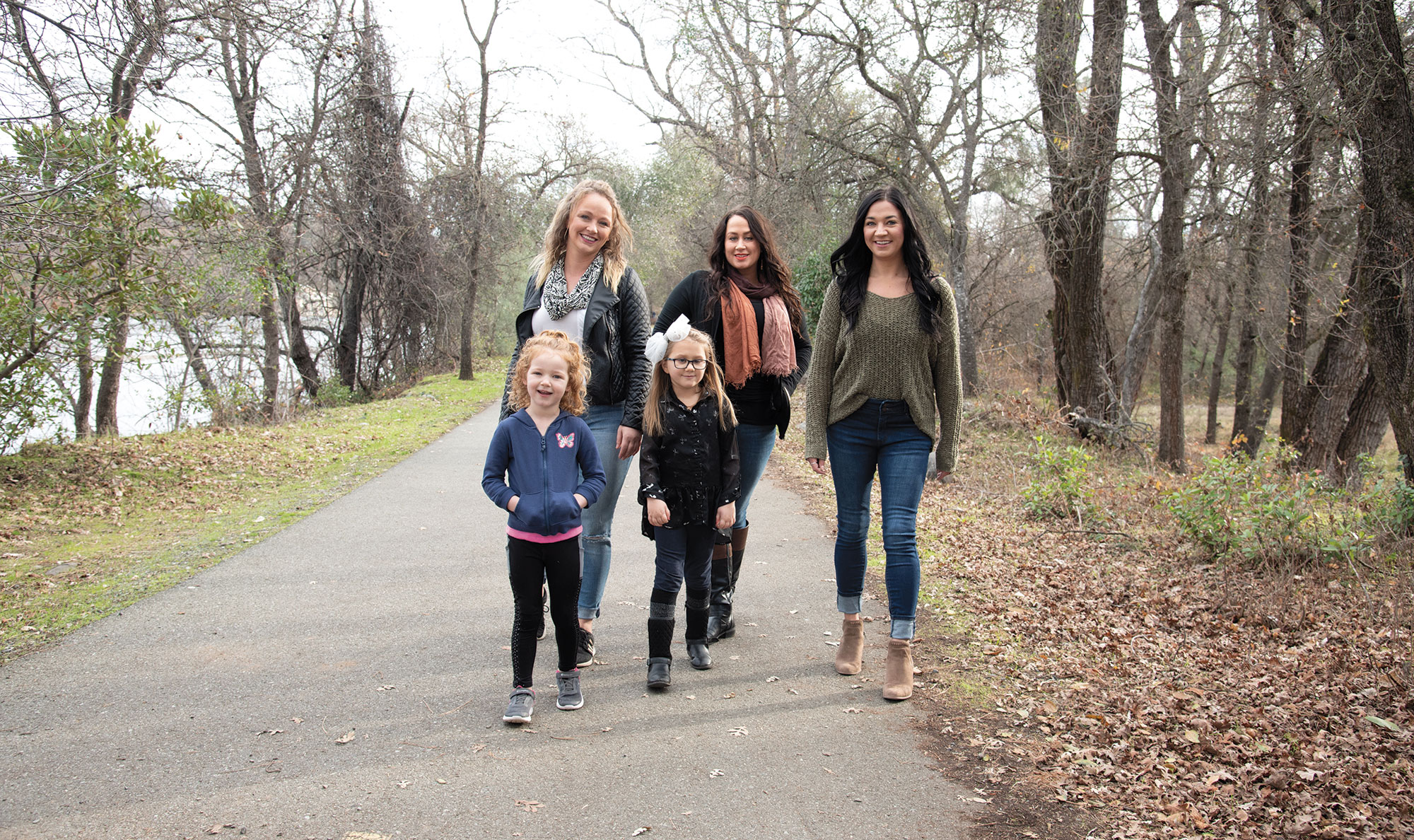
The leading cause of death among women in the United States is heart disease. It accounts for a staggering 20 percent of female deaths, according to the Centers for Disease Control and Prevention.
Coronary artery disease, also commonly known as coronary heart disease or atherosclerosis, is the most common type of heart disease. Although it primarily affects women later in life, younger women can have the condition as well. More than six percent of women over the age of 19 have coronary artery disease, which can lead to a heart attack or heart failure.
Women are at higher risk than men for certain heart conditions. These include cardiac syndrome X, angina (chest pain), and broken heart syndrome (stress-induced cardiomyopathy). Women can be affected by several other heart conditions, as well. Heart failure, heart valve disease, arrhythmia (irregular heartbeat), and atrial fibrillation are among other common heart conditions women commonly experience.
Prevention
Several risk factors for heart disease cannot be modified. Family history, race, gender, menopause, and age all play a role in heart disease. But many risk factors can be changed, according to the non-profit academic medical center Cleveland Clinic. To reduce your risk for disease, make the following life changes:
- quit smoking
- lower your total cholesterol, LDL, and triglycerides
- increase your HDL cholesterol
- reduce your blood pressure if it is high
- keep diabetes under control
- maintain a healthy body weight
- eat heart-healthy foods
- exercise regularly
- reduce your stress
Also, a drink a day may offer some benefit to your heart by increasing your HDL cholesterol. But medical experts caution against more than one drink per day. Studies have found high alcohol consumption can damage the heart. Although some studies suggest alcohol may be beneficial in moderation, others have shown the opposite. Cleveland Clinic recommends if you don’t already drink alcohol, don’t begin.
Heart attack signs
Women can experience all the same symptoms as men. Often, though, women experience heart attacks differently. Most notably, women don’t always experience crushing chest pain. Instead, they may feel tightness or pressure in their chest. As a result, symptoms can go unnoticed or be easily dismissed. If the pain or discomfort goes away and then comes back or lasts for more than a few minutes, it could be a symptom.
Other symptoms include:
- shortness of breath
- pain, discomfort, weakness, or heaviness in either arm
- discomfort in the neck, jaw, upper back, shoulders, or stomach
- indigestion, nausea, or vomiting
- cold sweats
- fatigue
- sleep disturbance
- dizziness or lightheadedness
What to do if you’re having a heart attack
Call 911 immediately and have them dispatch emergency medical services. This is usually faster than having someone drive you to the hospital.
Also, if you’re in a public place, such as work or a store, a defibrillator may be available. Ask whoever you see first to check. Defibrillators come with easy instructions and could save your life.
Finally, take an aspirin, says Anthony Komaroff, MD, editor-in-chief of Harvard Health Letter. He recommends a standard dose of 325 mg, non-coated, which can slow blood clotting and limit damage to your heart. To quickly get it into your system, Komaroff instructs, “Chew it, and then swallow it with a glass of water.”
Posted in: Health & Nutrition

Comment Policy: All viewpoints are welcome, but comments should remain relevant. Personal attacks, profanity, and aggressive behavior are not allowed. No spam, advertising, or promoting of products/services. Please, only use your real name and limit the amount of links submitted in your comment.
You Might Also Like...

Ten Tips To Help You Holiday-Proof Your Waistline
We love to eat during the holidays. We also tend to obsess about the pounds we’re packing on. Are those fears legitimate? The answer is yes, but not in the […]

What Parents Need to Know About Concussions
As young athletes are donning their helmets and pads for fall sports practice, many parents might feel conflicted about cheering them on. This spring, the family of Tyler Hilinski, the […]
Nina Natina’s Swim Foundations Builds Swimmers for Life
Nina Natina is busy gearing up to kick off the 2022 season of swim classes and workshops at Swim Foundations. This program provides swim lessons and training resources for swim […]

Ways To Banish the Winter Blues
The blues can take a parent down any time during the darker months of winter. If you are subject to the holiday blahs, a post-holiday crash, or gloomy moods all […]