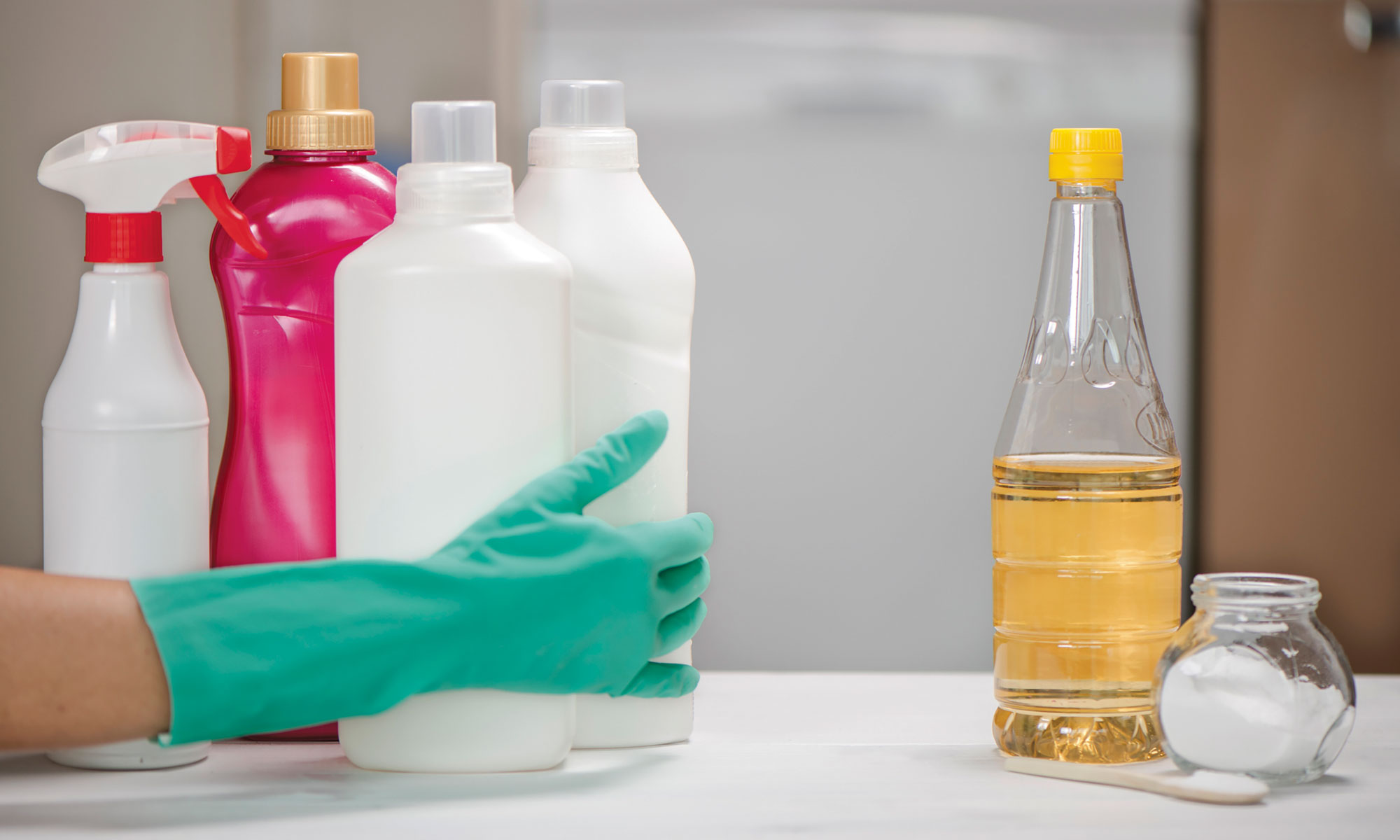
Eco-friendly detergents and cleaning products identified as free & clear—fragrance-free and clear of dyes and brighteners—have bubbled to the surface of the conversation around sustainable, earth-friendly living. When considering more eco-friendly choices, keep your cleaning products, including laundry detergent, at the top of your mind.
The very nature of cleaning products garners images of chemicals and toxins if products are going to do the work advertised. However, is it necessary to use all those harsh chemicals to get the job done?
Traditional detergents commonly contain harmful chemicals, including:
- 1,4-Dioxane. Classified as a probable human carcinogen.
- Artificial fragrances. May contain endocrine-disrupting phthalates and other possible allergens.
- Artificial colors and dyes. Skin irritants.
- Chlorine bleach. Can burn the skin and irritate the eyes, nose, and throat.
- Nonylphenol ethoxylates or NPEs. Imitates the hormone estrogen, which impacts fetal development and reproductive health.
- Quaternary ammonium compounds or quats. Linked to reproductive problems.
Traditional detergents do not completely biodegrade, which means all those harmful toxins inevitably end up in our water supplies, rivers, and oceans. Phosphates in detergents can lead to freshwater algal blooms that release toxins and deplete oxygen in waterways. When the algae decompose, they use up the oxygen available for aquatic life.
Our waterways are not the only benefactor of choosing an eco-friendly detergent. Other attributes include no animal testing, recyclable packaging, and concentrated formulas.
There are numerous options for eco-friendly detergents, and pricing varies. For example, free & clear detergents start around $11.97 for a 100-ounce bottle, which equals 64 loads. Most major manufacturers are providing a free & clear option, along with numerous smaller brands.
Not only do free & clear detergents get the job done, but most work with both regular or HE machines, and many are designed to work on the cold water setting too. Since these detergents don’t have those harsh chemicals, they can be used for washing your delicates, baby clothes, and your sports gear. So, one detergent can handle all your family’s needs.
How do you know what products are eco-friendly? Look for these certifications:
- EPA Safer Choice. Meets requirements for safer chemical ingredients.
- USDA Certified Bio-Based. Indicates the percentage of biobased material in the product.
- Leaping Bunny. No animal testing of finished product or ingredients.
- EcoCert. Certifies natural and organic products and ingredients.
- B-Corp. Indicates a socially responsible company.
You can go a step further and make your laundry detergent. This would give you total control of the ingredients. Fragrance is a major no-no with manufactured free & clear detergents, but if you make your own, you can add a few drops of whatever essential oils you enjoy.
There is a debate on whether a DIY detergent with Borax is considered an eco-friendly option. Some feel that Borax is a safe product in cleaning products, while others disagree. There are studies on the matter to help you make your choice.
If you’d like to make your own detergent, you’ll find a Borax-free recipe provided. Whether you purchase a free & clear detergent or opt to make your own, it is a small switch that could make a big difference for a healthier planet and household.
Posted in: Community

Comment Policy: All viewpoints are welcome, but comments should remain relevant. Personal attacks, profanity, and aggressive behavior are not allowed. No spam, advertising, or promoting of products/services. Please, only use your real name and limit the amount of links submitted in your comment.
You Might Also Like...

Summer Camp – Choosing the Right One
Choosing the Right Summer Camp for Your Kids Summer camp offers plenty of benefits, and many kids thrill at the idea of going away to summer camp. For some kids, […]

Mercy High School Volunteering Program
Mercy High School Nurtures the Spirit of Volunteerism “The best way to find yourself is to lose yourself in the service of others.” — Mahatma Gandhi Spencer Flynn is the student […]

The Bond Between Grandparents and Grandchildren
Grandparents Day is September 9th, but smart parents regularly celebrate the vital role that grandparents play in their family’s life every day. The strong bond between grandparents and their grandchildren […]

5 Acts of Service for Families
Embracing a Spirit of Giving The holidays are a magical time for kids. Between the parties, decorations, treats, and gifts galore, who can’t understand a child feeling excited about this […]