Craniofacial conditions affect around 600,000 Americans
 Craniofacial conditions affect around 600,000 Americans
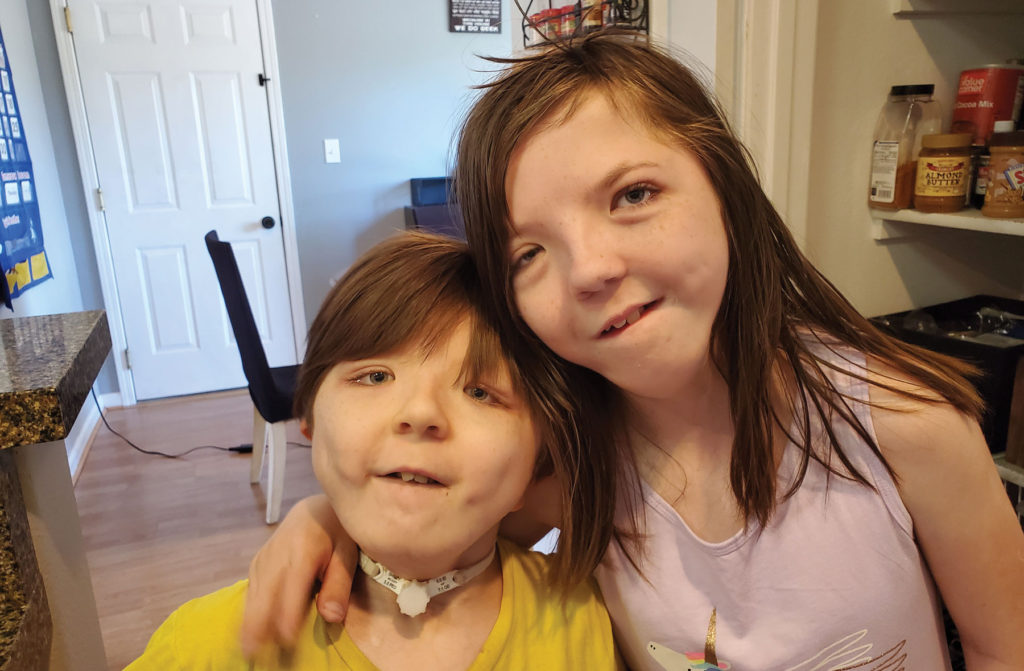
Approximately 600,000 people in the United States live with a craniofacial condition or facial difference. That 600,000 includes two of my children and me. We have a rare genetic disorder called Otopalatodigital syndrome (OPD) with Pierre Robin sequence. This condition involves, among other issues, a small lower jaw that compromises the ability to breathe. Pierre Robin sequence is one of the 19 conditions classified as craniofacial by the Children’s Craniofacial Association (CCA). Although these conditions differ in severity, the people they affect all have some noticeable facial differences.
I have learned a great deal about craniofacial issues since my daughter was born with OPD 13 years ago. Still, it wasn’t until last year that I learned about a dedicated annual weekend just for people with craniofacial conditions and their families.
Children’s Craniofacial Association Annual Retreat
For the past 30 years, CCA has hosted an annual retreat that is comforting, uplifting, and inspiring. It’s an educational symposium for children and adults with craniofacial conditions. This year’s retreat, like so many other events, transitioned to virtual because of COVID-19. It was to be my first time attending a CCA retreat.
It was disappointing not to meet in person and hug all the wonderful people from the organization that I have connected with online this past year but connecting via Zoom was the next best thing. There is something about being around people who face the same issues day in and day out that is uplifting, comforting, and inspiring in ways that words cannot describe.
A time to come together without being judged
CCA retreats are a time for families to come together without fear of being judged or stared at in public, which is an issue that most people with facial differences encounter far too often. It is also a time to learn. Experts in the field share their knowledge on the latest medical advancements in facial surgery, hearing aid and assistive device technology, and much more. Learning that there is a hearing aid company that makes waterproof covers for implanted aids blew me away. There are also smaller group chats, which allow participants to receive and offer support to one another.
“Hope is not canceled”
These retreats have become a haven for children and adults with facial differences, a place where they know they will be accepted unconditionally. My first retreat experience was unique and memorable, and I am already looking forward to making travel plans for the next one. As the slogan for this year’s retreat states, “Hope is Not Cancelled.”
For more information about the Children’s Craniofacial Association, visit their website.
Posted in: Special Needs, Uniquely Us
Comment Policy: All viewpoints are welcome, but comments should remain relevant. Personal attacks, profanity, and aggressive behavior are not allowed. No spam, advertising, or promoting of products/services. Please, only use your real name and limit the amount of links submitted in your comment.
You Might Also Like...
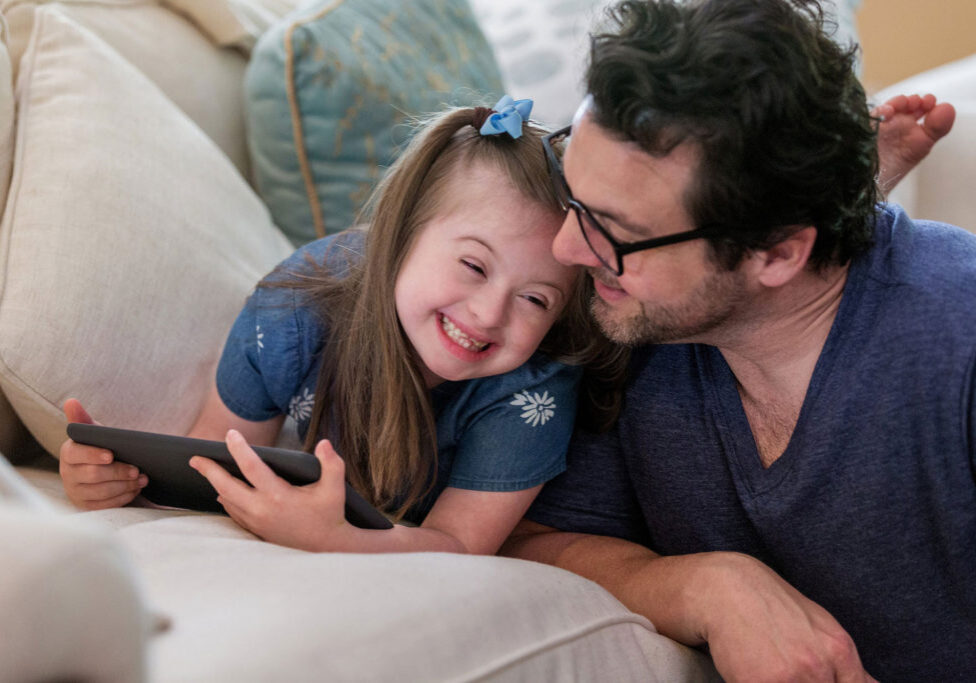
Raising Awareness Of Rare Genetic Conditions
February 28 is World Rare Disease Day. This is an annual observance to raise awareness for the 400 million people worldwide affected by rare diseases. Advanced medical technology and research […]
Unschooling Can Be a Good Fit for Neurodiverse Kids
For many kids, navigating the school environment is a challenge. And, for kids who don’t learn the same way as their peers, the structure and expectations can be especially taxing. […]
Parent Infant Programs – Early Developmental Intervention for North State Families
Being a parent is a wonderful and life-changing experience. It can also be extremely stressful and demanding, especially if your child is experiencing developmental challenges. It is natural for all […]

Caregiver Burnout
Caregiver Burnout: Trying to Pour from an Empty Cup Is it normal to be exhausted all the time? I had four small kids, two of whom had significant medical issues. […]