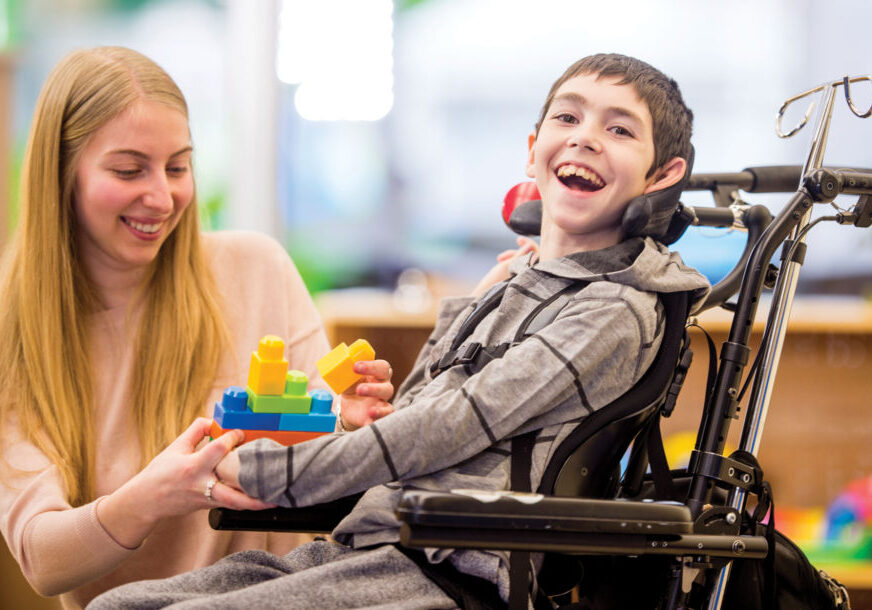
For medically complex kids, frequent appointments, blood draws, imaging, procedures and hospital stays are part of everyday life. While much of this care can be routine, the unpredictability of life with a chronic illness can take its toll. Most people don’t realize that children living with chronic illnesses are at higher risk for medical trauma, a form of post-traumatic stress that stems from medical experiences themselves.
Understanding what medical trauma is and what to look for can help parents and caregivers support healing, strengthen coping skills and give their child back a sense of safety.

When facing recurring medical visits or procedures, children need to feel a sense of choice and autonomy and a that those around them care how they feel and what they think.
What Medical Trauma Looks Like
Medical trauma doesn’t only come from medical crises and emergencies. It can also develop slowly through repeated pain, fear and loss of control. It can show up in many ways and it’s not always obvious. Trauma in children can look like clinginess, irritability or avoidance around anything related to their care. Common signs include:
- Fear or panic before or during appointments
- Trouble falling or staying asleep
- Headaches, stomach aches or body tension
- Regression (wanting more help than usual, acting younger)
- Angry outbursts or shutdowns
- Refusing treatment or medical routines
- Avoiding conversations about anything related to their health
Many children experience hypervigilance, which is a constant sense of being “on alert,” even when nothing scary is happening. Others hold their feelings inside because they don’t yet have the words to explain them. Often, it comes out as an emotional explosion.
We experienced this with my son, who, after years of emergency hospital stays and painful recovery from surgeries, which he seemingly handled like a rockstar, unexpectedly dissolved into tears the moment we walked onto the children’s surgery unit. This time, it was for a minor outpatient procedure with medical staff who had cared for him for more than a decade. For kids like mine, even with the most compassionate and familiar medical teams, fear or pain that isn’t fully processed can linger in the body long after the experience is over.
How Parents Can Support Healing from Medical Trauma
While you can’t control every aspect of your child’s medical journey, you can help them feel safe, understood and more empowered. These strategies can help:
Build predictability when you can
When children aren’t sure what to expect, their minds often imagine the worst. Using honest language to explain what will happen before appointments or procedures can reduce that fear. Tools like social stories, visual schedules or simple walkthroughs (if possible) of unfamiliar surgery centers can also help make unfamiliar experiences feel safer and more manageable.
Offer choices for a sense of control
Medical environments often leave children feeling powerless. Offering small, age-appropriate choices such as where to sit, which arm to use or how they want to cope during a procedure can restore a sense of agency. Even minor decisions help the brain feel safer and more in control during stressful moments.
Validate your child’s experiences
Validation is one of the most powerful tools you have as a parent or caregiver. Instead of brushing off fear or discomfort and pain with comments like, “It’s not that bad” or “You’re OK, it’s over,” acknowledge what your child experienced. Let them know you believe their pain that their feelings make sense and that they handled something difficult. When children feel seen and understood, their ability to process stressful experiences grows.
Create calm-down strategies
Portable coping tools can help children regulate their emotions before stress escalates. Items like noise-canceling headphones, sensory fidgets, a favorite playlist or a comfort object like a plushie or favorite blanket can provide grounding in medical settings. Practice using these tools during calm moments so your child feels confident reaching for them when stressful things happen.
One year after my son’s emotional outburst, we found ourselves back at the same surgery center for an outpatient procedure. This time, we came prepared with headphones, comfort items from home and breathing techniques he had learned in therapy. The anxiety hadn’t completely disappeared, but this time, there were no tears.
Support autonomy when possible
Involve your child in decisions whenever possible and encourage medical providers to speak directly to them, not just about them. If medical trauma begins to feel overwhelming or spills into daily life, consider a child therapist who can offer more coping tools and emotional support for both your child and your family.
Parenting a child with a chronic condition carries emotional challenges that most families never have to navigate and will never understand. Signs of medical trauma are not a failure; they’re a natural response to an extremely difficult path. Your presence and advocacy matter and with support, children can heal and feel empowered again.
Posted in: Health & Nutrition, Special Needs

Comment Policy: All viewpoints are welcome, but comments should remain relevant. Personal attacks, profanity, and aggressive behavior are not allowed. No spam, advertising, or promoting of products/services. Please, only use your real name and limit the amount of links submitted in your comment.
You Might Also Like...
Tick Bites Can Be Serious – Know The Symptoms and Take Action
As the water rushed down my skin I brushed something on my back. It was stuck to my back in fact. Was it food from the kids’ sticky hands? I […]

Surviving and Thriving on a Single Income
Life is expensive. Life with kids is even more expensive. According to Pew Research, 31 percent of families live on a single income. Although many families make the choice, others […]
How Parents Can Make Use of Natural Medicine
When I was growing up, no one emphasized natural medicine as a viable health care choice. Instead I was brought up, as I imagine you were, to rely entirely on […]

Shasta Community Maternity Center
A Warm Hug of Services The healthcare team at Shasta Community Maternity Center wants every woman to feel as though she’s wrapped in a warm hug of quality services each […]