Do you ever hear these phrases from your teenager when you try to have a discussion?
“I don’t know.”
“My stomach hurts.”
“I’m tired.”
“Leave me alone.”
“I hate you.”
Or they might pose these questions:
“What if I mess up?”
“What if something bad happens?”
“What if they don’t like me?”
“Can we be done now?”
These are just examples of things teenagers may say to express anxiety, depression, uncertainty or fear. They are less likely to be specific about what is on their minds, for example, “I am worried about current events,” “I am being bullied,” “I don’t like the way I look,” or “What if I turn out to be a failure?”
We spoke with principals and counselors at three different Tehama County schools to help parents understand where their child’s anxiety may be coming from and how to address it.
Three common denominators are screen time, lack of boundaries and a lack of healthy communication.
Excessive Screen Time Leads to
Dysregulation and Behavior Issues
“There are so many variables to why a child may be struggling, but I do think in today’s culture there are some broad concerns that are affecting all children,” says Michelle Ackley, educational counselor, Evergreen Unified School District. “One of the main hurdles that is currently affecting behavior and mental health in all grades is the excessive use of screen time.”
She adds, “In younger children, we see a lot of dysregulation and outbursts which can lead to social-emotional issues at school and the common denominator seems to be screen addiction. When children are given screen time starting as babies or toddlers, by the time they get to be school-age, their brains have been rewired to depend on the dopamine-driven addiction cycle of fast-paced digital media.
Because of this, screen-free activities like playing with others or doing an art project feel boring to their brains and cause them to struggle to regulate.
“In teens, the use of screens, cellphones, video games and social media, is causing teens to struggle with in-person relationship skills and mental health issues, such as low self-esteem and depression that can lead to serious concerns of self-harm and suicide.”
Ackley notes, “I hear a lot from all ages that ‘school is boring’ and until we can get back to screen-free childhoods and learn how to enjoy ‘real life’ fun like playing outside and using their imagination, I’m afraid that these issues will continue. The reality is boredom is one of the cures – allowing our children to be bored so it inspires creativity instead of caving in on screen time.
“In school, screen time is naturally limited, but I do think school districts and parents should be paying attention to the momentum happening around the world with reducing edtech and banning cellphones and tech in schools completely. The research is finally out: screens and social media are harming our children and teens. My plea to parents would be to give your child a screen-free childhood.
“As a school counselor, mindfulness strategies, such as deep breathing and grounding, are one of the best things that I can teach students that will help them for the rest of their lives. It would be wonderful if families practiced these strategies at home as well.”
She adds, “When mindfulness is modeled to children by their parents from a young age, they are going to be more able to handle difficult emotions and stressful situations in life. We all need it! It’s why I’m a huge proponent of getting kids outside more than inside – being in nature has so many brain and health-boosting benefits.
“Research shows this is the most nature-deficient generation of children, which is truly heartbreaking. We need to get children and teens outside and off screens, both in schools and at home to help their overall well-being.
“One of the best things that has been created in recent years is California’s FREE virtual mental health services: BrightLife (kids 0-12) and Soluna (13-24) and I highly suggest it to all families.”
Consistent Boundaries at Home and School Set Children Up for Success
Sommer Grooms, Tehama County Department of Education administrator of Alternative
Education, observes that “many students are having trouble with emotional regulation and challenges with peer relationships. There is also a noticeable struggle with focus and perseverance, especially when it comes to academics.” She says that in some cases, students are coming to school with limited boundaries or inconsistent expectations, which can make it difficult for them to navigate authority and accountability in a school setting.
“At school, we work to provide consistency and clear expectations while building strong relationships with students,” Sommer says. “We focus on helping them develop the skills to take accountability for their actions and understand the importance of respect for themselves and others. Restorative practices and consistent follow-through are key components of this work.
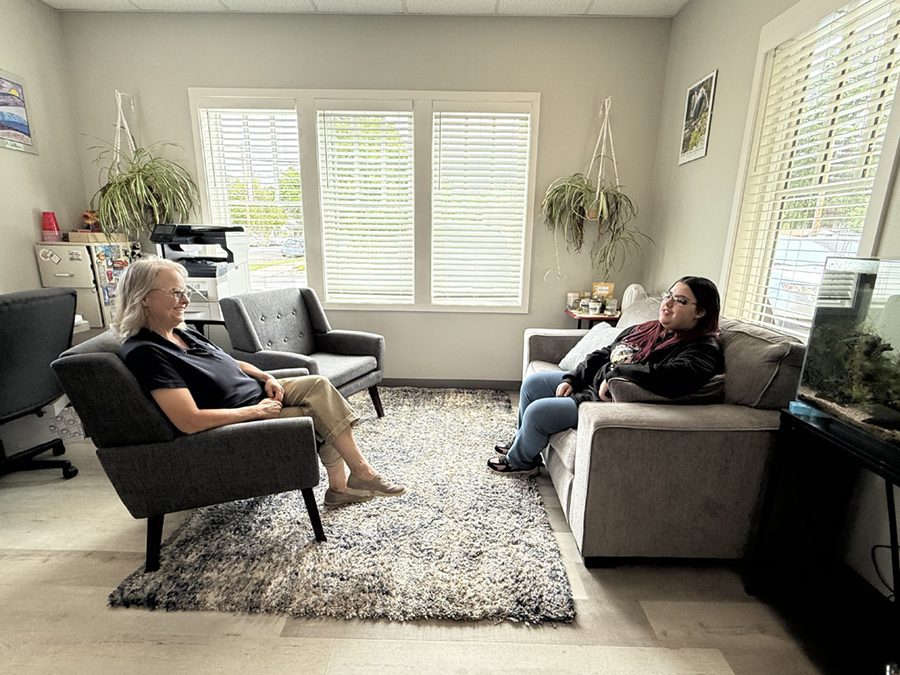
Kayley, a student at Tehama eLearning Academy, is a student advocate for the benefits of counseling. “We are bombarded on social media with too many things that are outside of our control. This just creates anxiety.
Talking with Mrs. Barnard brings us back to reality and is calming.”
“From a parent perspective, one of the most impactful supports is establishing and maintaining clear boundaries at home. Children benefit from hearing ‘no’ and learning limits in a supportive environment. Additionally, limiting access to phones and social media, especially during school hours and at night, can significantly improve focus and sleep.
“Equally important is supporting educators by reinforcing school expectations at home. We do not see this enough. When students see alignment between home and school, it creates a sense of stability and helps them be more successful both behaviorally and academically.”
Listening and Mental Health Support Can Help Students Learn to
Manage Feelings
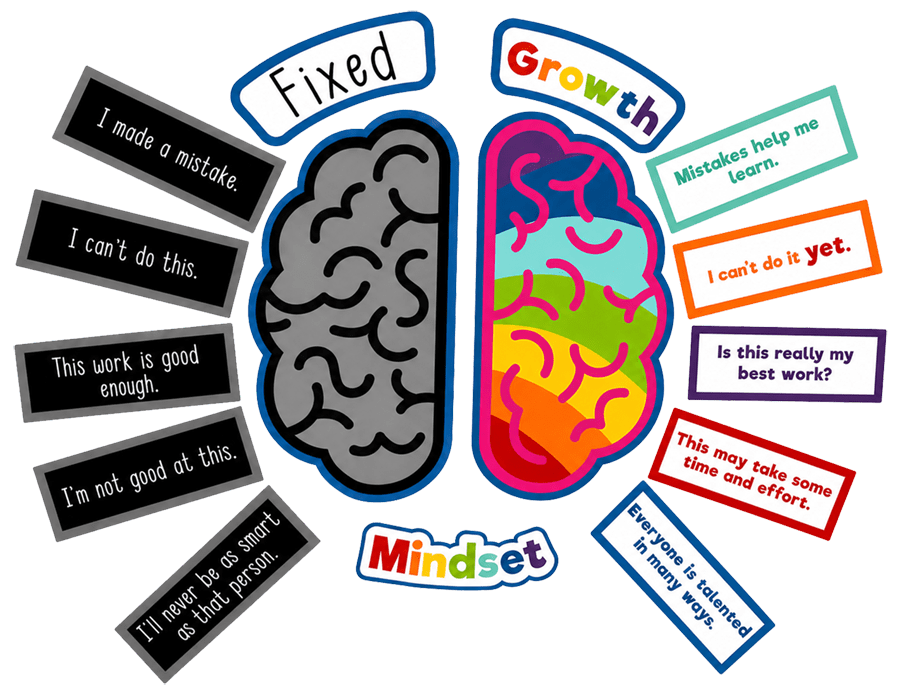
Tehama eLearning Academy principal, Michelle Barnard, encourages students with the idea that, “with time, many things are possible—they just may not have happened ‘yet.’”
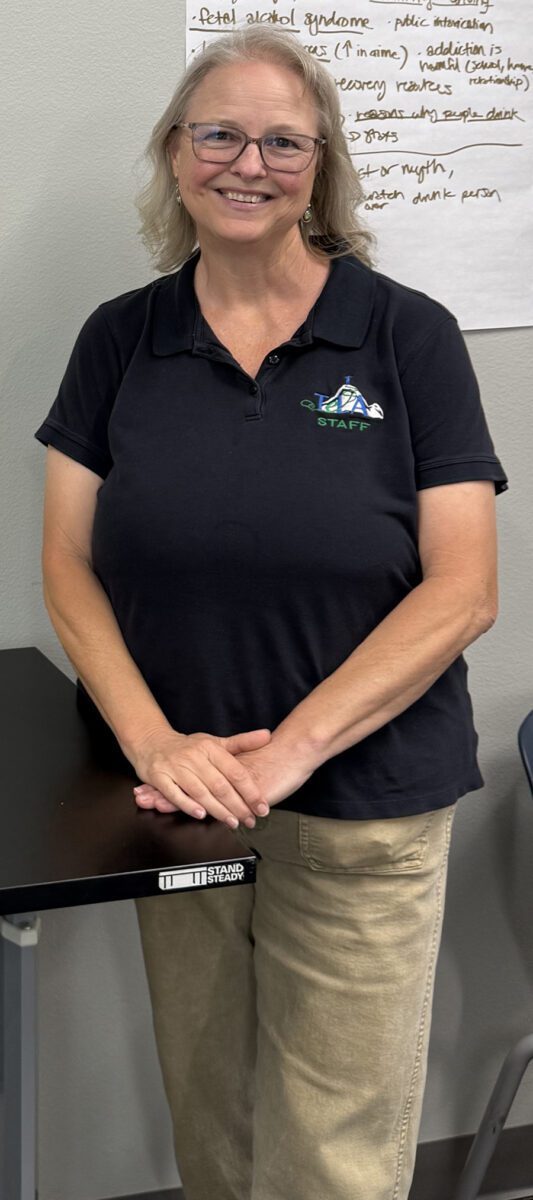
Michelle Barnard, principal, Tehama E Learning Academy, encourages parents to talk to their kids about what is going on at school and how their student is managing things.
“Students can feel tremendous pressure to succeed both academically and socially and the pressure can be overwhelming,” Michelle says “Sometimes it is helpful just to have someone hear about the struggles and respond with empathy and understanding.
“Sometimes, students need extra support, maybe from a counselor or even a medical professional. Just keep the communication open and acknowledge the feelings and seek help if more help is needed. We have more mental health resources than ever before since I have been working in education and I have seen great progress in many students who have committed to working with a counselor on their challenges.”
These professionals all agree that stepping away from screens and getting outside for side-by-side activities can go a long way toward helping your child open up and develop a healthier pattern of communication. You may finally get the chance to hear what is really on your child’s mind.
Kate Hiller has noticed that even her adult children open up more when she makes herself available and when engaged in some sort of activity, even taking a long drive.
Posted in: This is Tehama

Comment Policy: All viewpoints are welcome, but comments should remain relevant. Personal attacks, profanity, and aggressive behavior are not allowed. No spam, advertising, or promoting of products/services. Please, only use your real name and limit the amount of links submitted in your comment.
You Might Also Like...

The Hawes Family Leaves Their Mark
An Influential Family in Agriculture & Education Twin boys Roy and Ray were the first of five children born in 1901 to Jacob and Lillian Hawes at the family ranch […]
From The Soil Up: Regenerative Education In Manton
Cultivating a culture of learning is much like cultivating soil. With the right season and tools, you dig in, refine and enrich. There are no limits to the possibilities when […]
The de Braga Family
The de Braga Family: Creating Traditions and Raising Kids on the Dye Creek Ranch (1963-2013) A perfect childhood on the ranch Friends and I have long enjoyed hiking the trail […]

Anni’s Santa Cruz Island Horses
Is our animal best friend a dog or a horse? I’d love to hear that debate, and in Tehama County I wouldn’t be surprised if horses came in a very […]