What it’s like to grow up with a sibling with special needs
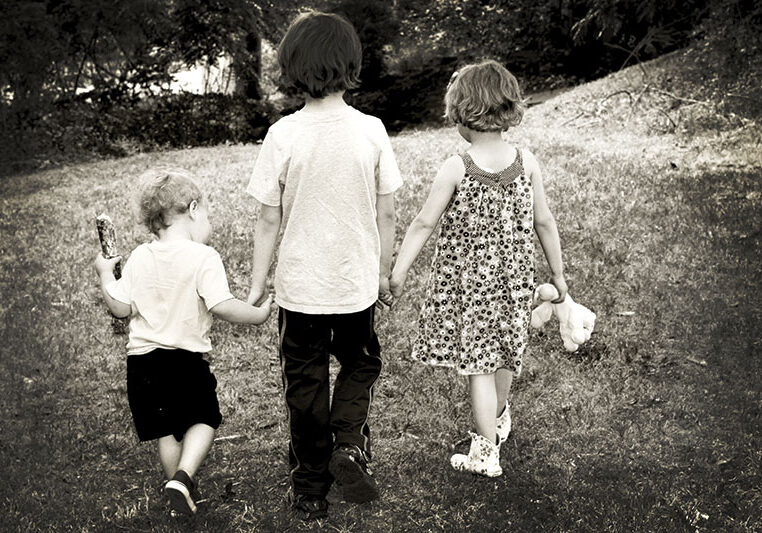
In families of children with special needs, we hear a lot about the importance of providing support for the parents or caregivers of children with disabilities, but not a lot about supporting the siblings. We hear a lot about the challenges children with special needs face, but their brothers and sisters also face unique experiences, emotions, and responsibilities within the family.
The media tends to focus on the feel-good aspect of what it’s like to grow up with a sibling with additional needs. The reality that many families face is not something that is talked about very often because the truth is that many siblings can feel angry, resentful, embarrassed, and even neglected at times.
It’s not all sunshine and rainbows
Research has shown the stress that siblings of children with disabilities experience puts them at higher risk for emotional and behavioral problems. Parenting children with special needs can be very unpredictable and often stressful. Many times, our children’s health has dictated our daily life. Our life revolves around appointments, therapies, and sometimes even the possibility of a public meltdown.
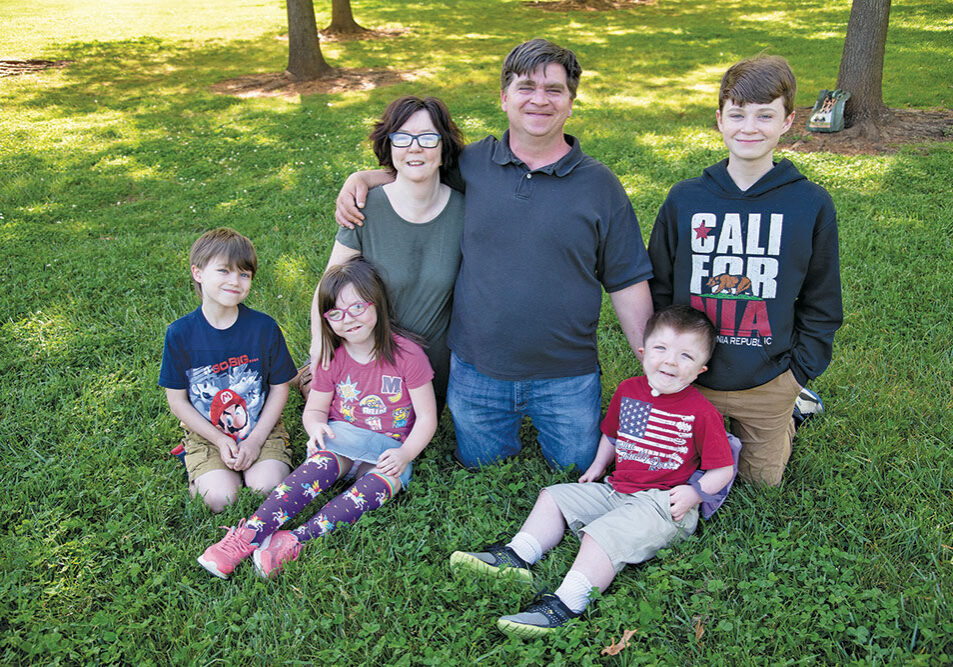
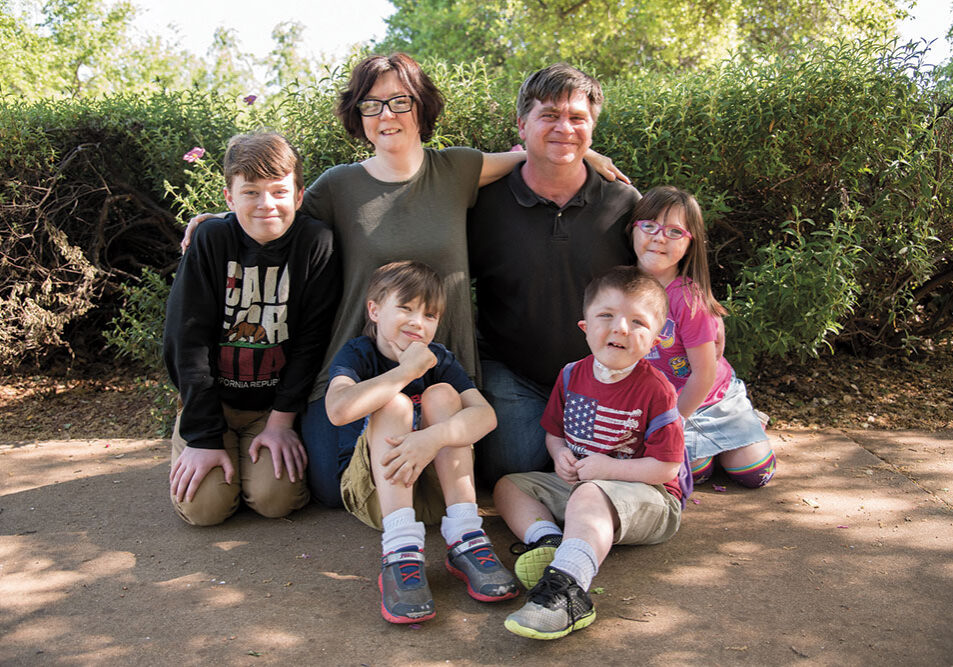
I didn’t grow up with a sibling who had special needs; my only experience comes from observing my children for the last 14 years, and although the journey has been amazing, it’s not all sunshine and rainbows.
Having a child with special needs affects all the relationships in the family, whether it’s the parent-child, spousal, sibling, or extended family.
Because children with additional needs require more time and resources, it’s easy to understand why a sibling can feel left by the wayside at times.
Medical crises and public meltdowns exact a toll
One of the most difficult aspects of raising children with disabilities is the medical crises that happen all too frequently. Our kids have woken up to first responders in our home in the middle of the night and seen their brother taken away in an ambulance more times than any sibling should.
They’ve also watched us try and diffuse their sister’s very public meltdowns, which can often get physical as she grows older and more difficult to wrangle. As much of an emotional toll as these situations take on us, it also affects our boys.
Be aware of these symptoms
Frustration, acting out, anxiety, sleeping, and eating issues are all signs of emotional trauma, and we’ve seen it firsthand. If your child is experiencing any of these symptoms for an extended period of time, talk to their primary care provider or a counselor. There is no shame in the therapy game, and kids are often willing to open up to someone they don’t have an emotional attachment to. All of their emotions are valid, and it’s essential to encourage them to talk to someone about them, whether it’s a friend, relative, or therapist.
Some ways to support siblings
There are several ways that parents can empower and support the siblings of their children with special needs:
• Encourage hobbies or extracurricular activities that interest them.
• Respect a sibling’s right to increase time with friends as they get older
• Don’t expect children to help with their siblings’ needs, but don’t discourage it either. There is usually less resentment if helping is something a sibling wants to do willingly.
• Be honest when explaining their sibling’s condition or treatment (in an age-appropriate way). Information and knowing what to expect can be comforting when so many other things in their life are unpredictable.
• Most importantly, carve out one-on-one time wherever you can. Whether it’s a trip to the grocery store or an extended weekend, your time and attention will mean a lot.
Give each kid time to shine
The struggle with parent guilt is real for families with a child or multiple children with special needs. We worry about not having enough emotional bandwidth to give each child the attention they deserve and constantly ask ourselves if we’re doing enough. We never want any of the kids to have feelings of inequity. We’re by no means perfect, but we try our best to give each of our kids their time to shine.
Uniquely Us is a unique opportunity to address special needs issues and concerns and to celebrate life. If you have something in particular you would like to read about, please write to pn@northstateparent.com (please include UU in the subject line).
Posted in: Special Needs, Uniquely Us

Comment Policy: All viewpoints are welcome, but comments should remain relevant. Personal attacks, profanity, and aggressive behavior are not allowed. No spam, advertising, or promoting of products/services. Please, only use your real name and limit the amount of links submitted in your comment.
You Might Also Like...
Explaining COVID-19 to a Child with Autism
These are strange times we are living in currently. I can tell you from experience that parents of children with special needs are used to the unexpected. We are not […]
What’s In A Name? Asperger’s Syndrome, Redefined
A new label for Asperger’s syndrome may help children get needed treatment. But early intervention is still vital. Keagan Peterson’s first birthday party was a happy occasion, with cake, balloons […]

Emotional Benefits Of Pet Dogs For Kids
Dogs have long been celebrated as “man’s best friend.” Not only are they adorable, friendly, and fun to play with, they also provide incredible emotional benefits. Many people feel happier […]
Uniquely Us: How to Make the IEP Process a Little Less Stressful
For most parents of special needs children, Individualized Education Plan (IEP) meetings are a routine part of life once their child is old enough to start school. Regardless of whether […]