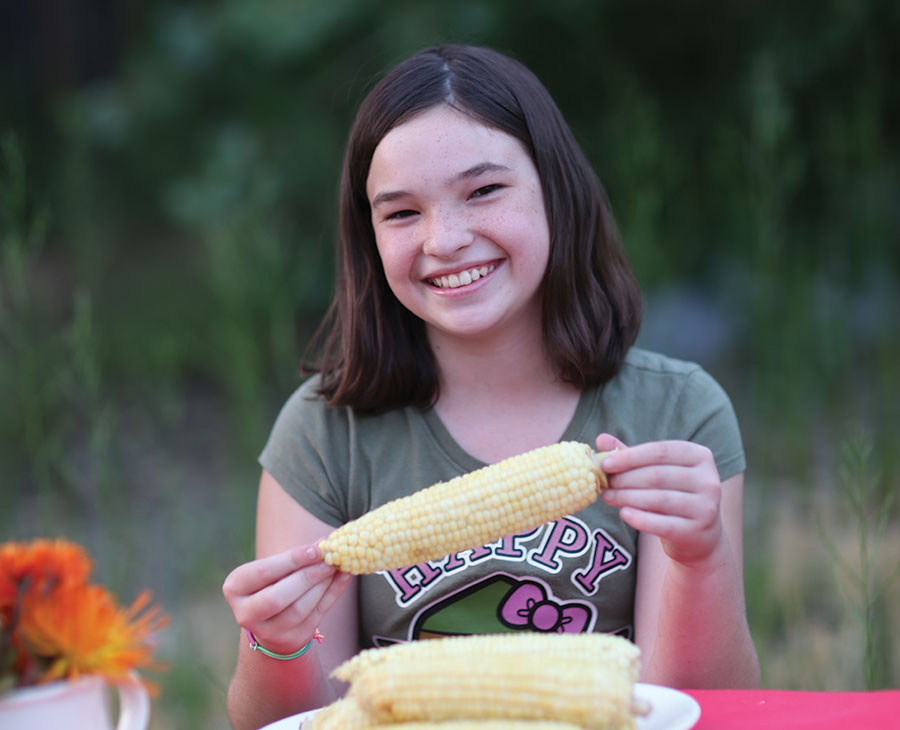
 Corn has been a staple grain of many cultures’ diets for centuries, with the earliest uses dating back to approximately 5000 B.C.E. Cultivated in an array of colors, yellow and white are the most common varieties available in grocery stores. Native Americans valued corn in hues of pink, red, black and blue, all of which provide various flavonoids and carotenes. Although corn is not nutritionally complete on its own, paired with the right foods, like beans or nuts, it becomes a complete and nutritious accompaniment to any dish.
According to Iroquois legend, corn, beans and squash are three inseparable sisters that grow harmoniously together. Corn provides support for the beans to grow, beans provide nitrogen in the soil, and squash delivers shade to keep the soil moist. The “Three Sisters” harvest provides nutrition during the long months of winter when other plants are scarce.
Dried corn can be found in a variety of forms, including corn flour, cornmeal, corn grits and polenta. Hominy, a popular corn used by Native Americans, Mexicans and Central Americans, can be enjoyed in soups or stews (like Pozole), and can be found in the Mexican foods section of most grocery stores.
Polenta and grits are common ways to serve corn in cold winter months, either as breakfast porridge or as an alternative to other grains or pastas. A staple of France and Italy, Polenta is available precooked in tubes, but it’s very easy to make at home (see recipe). Cornerstone Bakery and Café in Dunsmuir offers polenta as part of a main entrée and as a side dish.
Popcorn is an American favorite and can be a very nutritious snack. However, “Butter flavored” microwave popcorn often contains chemicals (2, 3-pentanedione and diacetyl) thought to be respiratory hazards, according to the American Journal of Pathology. For the healthiest results, use an air popper or the old-fashioned stove method for popping corn. Flavor with real melted butter or coconut oil. Experiment with toppings – try nutritional yeast, Himalayan salt, Parmesan, or even a little cayenne.
If you live near Mt. Shasta or Ashland, Oregon, you are in for a treat with POPO organic popcorn. Handmade in Mt. Shasta, POPO is made with organic corn directly from the farmer, with all organic ingredients, and is packaged in biodegradable bags. It is available in Mt. Shasta at Berryvale Grocery, Mt. Shasta Super Market, and Couch Critics, and in Ashland at Ashland Food Co-op.
Allergy Information: One of the most common food allergens, corn is used widely in breads, crackers, chips and cereals, not to mention sweeteners. If you are unsure whether you or a family member is allergic to corn, see your doctor about allergy testing.
Caution, GMO’s: According to the Department of Agriculture, in 2012, 88% of corn grown in the United States was genetically modified. Two varieties of genetically modified U.S.-grown corn contain unique proteins designed to kill the insects that eat them; a third variety was designed to tolerate the herbicide Roundup, and is known as “Roundup Ready Corn.”
The Center for Food Safety estimates that “more than 70 percent of the processed foods in U.S. grocery stores contain some genetically modified ingredients, mostly corn or soy.” The safest way to avoid eating GMOs is to purchase organic foods or look for the “Non-GMO Project” label on select foods.
Bill from POPO organic popcorn says that “even though much of the corn grown and eaten in this country is GMO corn, popcorn comes from a different seed that has not been genetically modified. That being said, popcorn that is not organically grown is a crop where the heavy use of pesticides, insecticides, herbicides, fungicides and fertilizers are commonplace.”
Corn can be enjoyed all year long; many enjoy it raw. For those trying to avoid gluten or bread products, corn is a great alternative and will leave you feeling just as satisfied. Try adding corn and winter squash to your next batch of homemade chili to create Three Sister’s Chili.
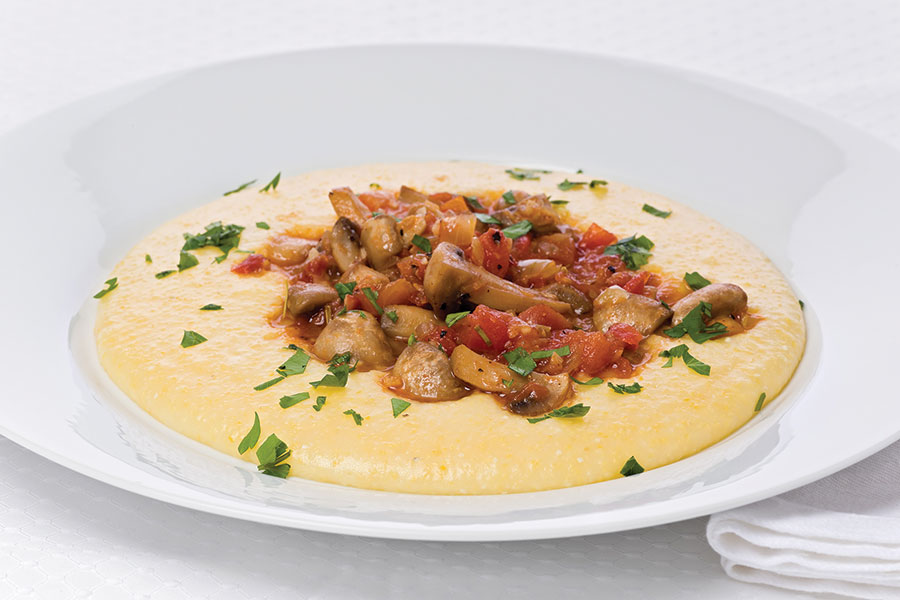
Savory Polenta
Makes about 3 cups.
- 1 cup polenta grits
- 3 cups water
- Dash of salt
- 1 Tbls butter
Additional ingredients may include fresh or dried herbs, pecorino or parmesan cheese, fresh garlic, or a dash of milk.
Boil water in a medium saucepan. Slowly stir in polenta, reduce heat to medium low, and cook until soft and thick, 20-30 minutes, stirring frequently to prevent sticking. Add butter and season with fresh garlic and herbs. For a creamier texture add more butter or a dash of milk. Serve immediately. Leftover polenta can be chilled, then sliced and roasted or grilled.
Localicious is a monthly column celebrating healthy food in the North State. If you would like to suggest a food-related idea, business or organization, email us at localicious@northstateparent.com.
Posted in: Health & Nutrition, Localicious

Comment Policy: All viewpoints are welcome, but comments should remain relevant. Personal attacks, profanity, and aggressive behavior are not allowed. No spam, advertising, or promoting of products/services. Please, only use your real name and limit the amount of links submitted in your comment.
You Might Also Like...

Calming the Butterflies
Your child may feel “butterflies in their tummy” if they have a big event coming up such as an important test, a piano recital or even the first day of […]

Start Your Children Young With Good Dental Health
A big smile with sparkling, white teeth is universally seen as a sign of good health. While parents are naturally eager to help their children have healthy, beautiful smiles and […]
Localicious: “Hearty Eats” Foods That Strengthen Your Heart
Valentine cards, cute little teddy bears and aisles upon aisles of chocolates and candies in the shape of hearts in every store. Colorful hearts are seen everywhere, some with arrows […]

Let it Go: Some Worries Aren’t Worth The Time
Worrying, it’s something all parents do. I am guilty of it, especially when I lie awake at 3:00 a.m. with the silence of the house ringing in my ears. I […]