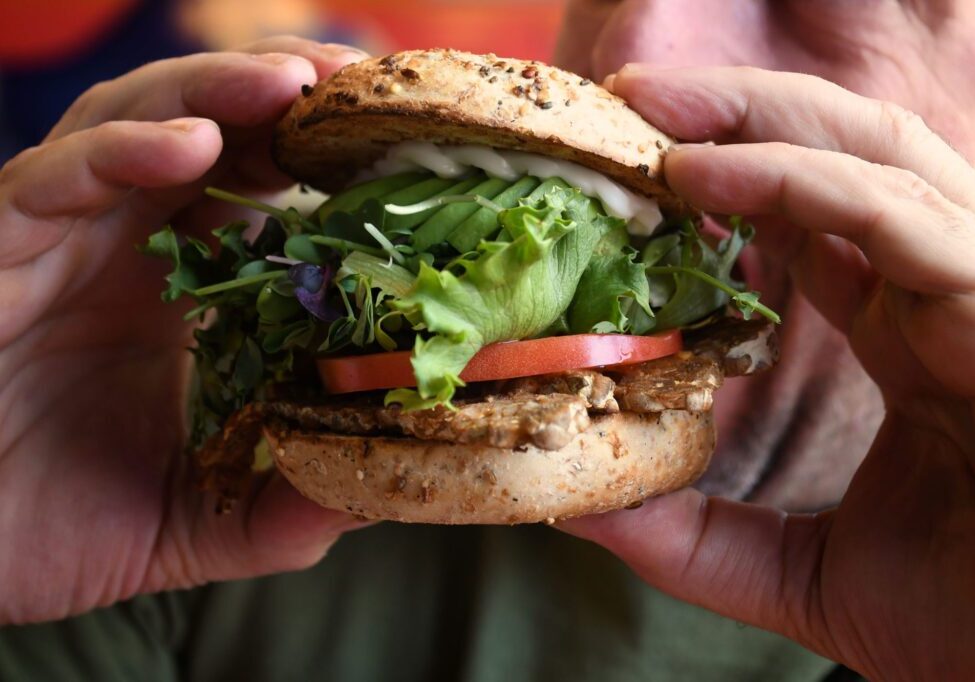
Our teens today face an uphill battle when learning to navigate the food choices available to them. Grocery and convenience stores, snack bars and vending machines are packed with unhealthy, ultra-processed foods (UPF) and food product advertising is everywhere they turn.
Consistently consuming these nutrient-deficient, highly processed foods can significantly impact their health and well-being. Encouraging our kids to understand food labels is an important skill to help them make healthy food choices.
Taking a deeper look at food labels
Understanding food labels can reveal important information about the quality of the food product. Here are some tips to share with your teens when considering food choices:
Look at the ingredient list.
Ingredients are listed in descending order, so the ingredients listed first are most of its contents. If the first ingredients are sugar, corn syrup or anything other than a recognizable whole food such as nuts, oats, cacao or chicken, then make a different choice.
Note the number of ingredients.
Fewer is usually better. For example, Kraft Mac and Cheese contains 23 ingredients compared with Annie’s Organic Shells and White Cheddar, which contains only eight ingredients. If you see a long list of vitamins added, it can reveal that the main ingredients have minimal nutritional value by themselves and that the product is highly processed.
Stay away from unrecognizable ingredients such as titanium dioxide, polysorbate 80, monosodium glutamate, modified food starch. If it sounds like something you would find in a chemistry book, it is likely altered physically, enzymatically or chemically and has damaging effects to our bodies.
Avoid artificial food dyes.
Artificial food dyes have been linked to cancer, behavioral problems and other health issues. Look for words such as beta-carotene, caramel, anatto and curcumin. If the food item is brightly and unnaturally colored, then it likely contains food dyes.
Beware of artificial and “natural” flavors.
Artificial flavors are made from petroleum and other inedible chemicals. Natural flavors are molecular replicas of natural food sources that have been chemically formulated in a lab to taste a certain way. They are far from “natural” and they are created to promote addicting habits.
Avoid ingredients such as canola, corn, cottonseed, soybean and vegetable oils. These oils are highly processed, chemically treated and often genetically modified and they lead to oxidative stress and inflammation in the body.
Posted in: Health & Nutrition

Comment Policy: All viewpoints are welcome, but comments should remain relevant. Personal attacks, profanity, and aggressive behavior are not allowed. No spam, advertising, or promoting of products/services. Please, only use your real name and limit the amount of links submitted in your comment.
You Might Also Like...

North State Midwife Naomi Bjorgan – Delivering Exceptional Service For Local Mothers-to-Be
“From the moment we met Naomi, she was very welcoming,” says Lauren Duckett. Lauren’s second child was born at the Redding Midwifery Birth Center in May 2022 under Naomi Bjorgan’s […]

Nina Natina’s Swim Foundations Builds Swimmers for Life
Nina Natina is busy gearing up to kick off the 2022 season of swim classes and workshops at Swim Foundations. This program provides swim lessons and training resources for swim […]
Redding Midwifery: Providing Safe, Family-Centered Pregnancy and Childbirth Options
Our ultimate goal is to help you have a healthy, safe and rewarding birth experience,” says Naomi Bjorgan, LM, CPM, founder and owner of Redding Midwifery, a business which provides […]
Mindful Eating: Helping Your Child Make Healthy Food Choices
Good eating habits begin at home. Choosing mindfully what you feed your family, making healthier choices when eating out, and partnering with your child’s school are several important ways you […]