A civil conversation is a respectful and constructive dialogue between participants who actively listen to each other, share their perspectives and strive to understand different viewpoints. It emphasizes mutual respect, empathy and a willingness to find common ground. Some of the guidelines that are commonly recommended include:
- Respect each other regardless of different viewpoints in our conversations, especially when there is a strong disagreement.
- Be willing to listen and consider the viewpoints and perspectives of others and learn how they may affect our own views.
- Express our own views clearly and respectfully, avoiding insulting or inflammatory language.
- Focus on the topic of discussion without irrelevant diversions.
- Listen to what others are saying, ask clarifying questions and reflect engagement in the conversation.
A difficult conversation, on the other hand, is a dialogue about a sensitive, potentially controversial or emotionally charged topic that is challenging to address due to the potential for conflict, disagreement or discomfort. There is the potential for difficult conversations in many areas: our children, our family, our community, our politics, people we don’t know.
To understand difficult conversations and how they happen, it helps to know something about the brain. We have an ancient neural fear system that causes us to fight, flee or freeze to protect ourselves. When we respond to this circuit, it affects the way the rest of the prefrontal cortex works. Notice how you automatically respond to the fear surrounding a difficult conversation, especially if it takes you by surprise.
Our brain has developed based on what it has learned from birth through our family, our race, our ethnicity, our gender, our religion, our culture and physical and emotional traumas. Today scientific research has shown that trauma can be passed through our DNA from generation to generation. These life experiences shape the way our brains are structured and imprint the neural pathways which design how we deal with the world. The brain constructs how our responses are developed in a conversation, civil or difficult. Understanding our personal and family histories can shed light on our automatic responses in conversation and inform changes we might consciously make to improve our civil conversation skills.
When we are having a conversation, civil or difficult, it is also affected by the way we communicate what we are trying to say. “Paraverbal communication” refers to the nonverbal cues we use when speaking, such as tone, pitch, volume, speed. Practice all the different ways you can say “Don’t do that.” You can put emphasis on different words, you can shake your hand in a face, you can make a face that is nice or not so nice. Notice these nonverbal cues when you are in conversation and consider modifying them, if need be, to be more open and less emotionally charged. This will help prevent escalation of hostilities in conversation and keep the tone open and moderate.
Teaching children how to communicate in a civil manner, even when conversations are difficult, can set them up for social success and reduce fears and anxieties about approaching difficult subjects with others.
Here are a few ideas for teaching your child how to think and communicate:
- Provide opportunities for unstructured free play – During free play, children naturally engage in “what happens if” activities. Be intentional about leaving time in your schedule for your child to simply play.
- Pause and wait – Offer your child plenty of time to think, attempt a task or generate a response before assisting or speaking yourself. Just watch and observe for 60 seconds – let them think and try.
- Respond to your child’s questions with more questions – Rather than automatically giving answers to the questions your child raises, help him think critically by asking questions in return. Example: Child – What does c-a-t spell? Parent – What do you think it spells?
- Help your child develop hypotheses – As you are reading, watching a video or playing together, take time to pause and ask your child what he thinks will happen next.
- Model critical thinking for your child – As you work through a decision-making process, verbalize what is happening inside your mind. Share the variables at play and when appropriate, engage your child in offering solutions.
Employing civil conversation to resolve issues takes practice but is essential to model for our children and to build a thriving, cooperative community that works for all of us.
Posted in: Cultural Awareness

Comment Policy: All viewpoints are welcome, but comments should remain relevant. Personal attacks, profanity, and aggressive behavior are not allowed. No spam, advertising, or promoting of products/services. Please, only use your real name and limit the amount of links submitted in your comment.
You Might Also Like...
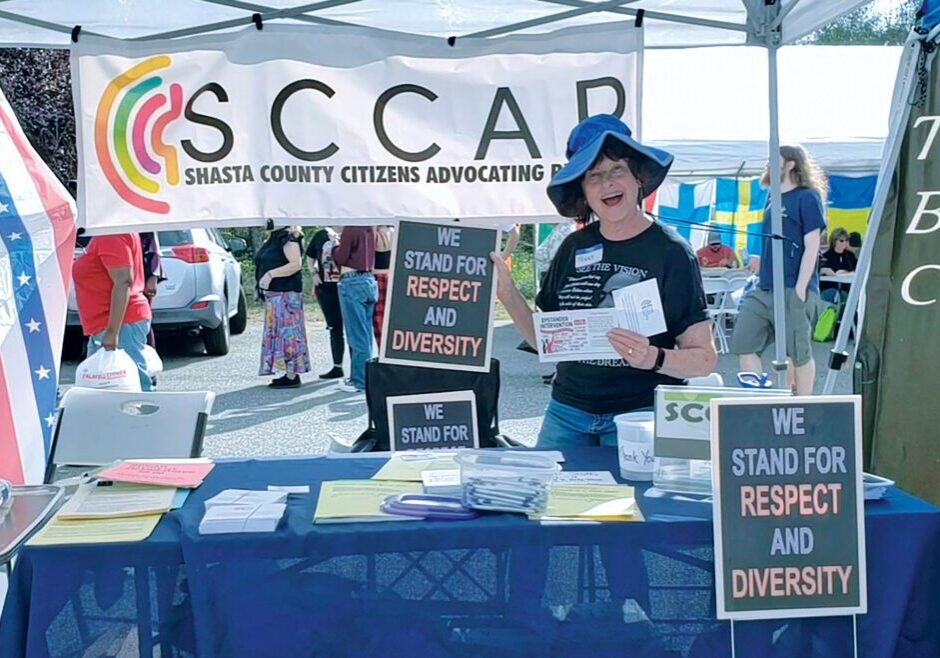
Shasta County Citizens Advocating for Respect: Homegrown Coalition Works to End Prejudice in All its Forms
Prejudice harms a multitude of people every day, but there’s a home-grown coalition that works tirelessly to address discrimination and uplift those affected by its reach. Shasta County Citizens Advocating for […]
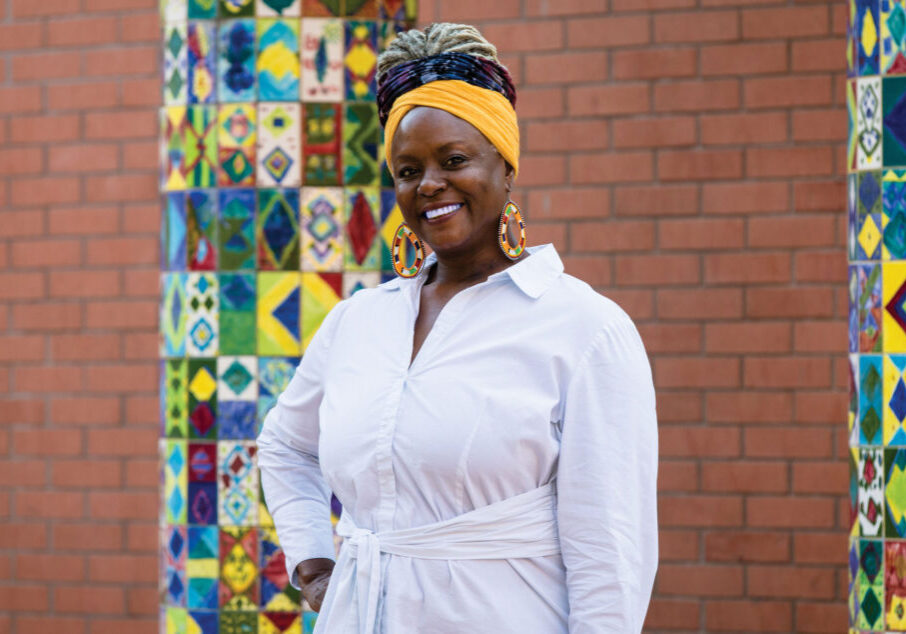
Anecia Johnson – Sharing the Intellectual and Natural Wealth, Brilliance and Triumphs of Indigenous Black American and African Diaspora History
Anecia Johnson, Community Educator and Founder of Amma Culture – Education, Sciences & Arts, has a mission and a passion. “I’m living my divine purpose,” says Anecia. “We at Amma Culture […]