It takes all of us to preserve the natural beauty of our wild landscapes. Teaching our children by example to leave no trace when enjoying the outdoors will help ensure your fellow hikers and campers, your children, grandchildren and many generations to come can experience the unique natural treasures that abound in California and throughout the world.
Follow these simple principles to respect your natural surroundings and leave no trace.
Plan ahead for your camping or hiking adventure
Plan your camping trip ahead of time, checking weather conditions and trail maps for closures and rough or steep terrain. Not being prepared for changing weather or difficult trials can lead to setting up camp late at night and consequently choosing poor campsite areas, which can lead to resource damage.
Check fire conditions in the area you plan to camp. Watch Duty is an excellent free app for your phone to keep appraised of wildfire conditions anywhere in the US. If there is a wildfire near the zone you plan to camp, consider choosing another zone far away from wildfires. Stay tuned to wildfire notifications if you have cell phone service. Immediately comply with any evacuation warning or orders. Wildfires move incredibly quickly and minutes can make a difference!
Travel and camp on durable surfaces
Stay on established trails, don’t shortcut switchbacks and don’t break branches or walk on delicate vegetation. Damage occurs when surface vegetation or communities of organisms are trampled beyond recovery.

Full length portrait of loving father and son fishing together during camping trip by lake, copy space
Campsite tips:
- Pitch your tent in already established camping areas.
- Use established firepits rather than starting a new pit or fire ring.
- Camp at least 200 feet from water sources to avoid water contamination.
Dispose of waste properly
“Pack it in, Pack it out” is the motto of good land stewards. Check carefully throughout your campsite and rest areas for trash or spilled foods. Avoid leaving micro-trash. When clipping your fishing lines to attach bait or lures, clip them into your pack or fishing bag rather than leaving them on the ground. Carry plastic bags to haul out the trash that you and others before you have created.
Leave what you find
Natural objects such as antlers, petrified wood or colored rocks add to beauty of natural landscapes and should be left so others can experience a sense of discovery. In national parks and many other protected places, it is illegal to remove natural or cultural objects found on public lands.
Picking a few flowers may seem harmless. But if every visitor thought “I’ll just take a few,” soon the blooming flowers would be decimated. Take a picture or encourage your child to sketch the flower instead of picking it.

One of boy scouts with backpacks pointing at map while looking for dwelling area in the forest
Minimize campfire impacts
Consider using a camp stove. Stoves operate in almost any weather condition—and they leave no trace.
If conditions and laws allow you to build a campfire, buy local wood or use downed dry wood. Do not bring wood from outside the local area, as outside pests can be brought in on non-local wood. Don’t build new fire rings when established fire rings are available. Avoid building fires next to rock outcrops where the black scars will remain for many years.
The Bureau of Land Management states that in California, year-round fire restrictions remain in effect. Under this order, the public is required to follow these criteria before building, attending, maintaining, or using a campfire, charcoal, coal or wood stove, outside of a developed campground with metal fire pits or grills:
- Maintain a five-foot diameter area cleared to bare soil and free of any overhead flammable materials in all directions around the campfire,
- Have on hand a functioning round-point shovel, with an overall length of at least 35 inches, which can be easily accessed within a reasonable amount of time in response to a fire ignition,
- Possess a valid California Campfire Permit, available free of charge Campfire Permit – Ready for Wildfire
PROPERLY PUT OUT YOUR CAMPFIRE! Throwing a little dirt on it will not do. Smother the fire with shovel-fulls of dirt, then soak with water. Be sure to bring enough water with you to put out the fire, in case you are not near a water source. After soaking the fire area, feel the soaked soil to make sure it is completely cool. Coals can remain hot and reignite surrounding vegetation hours later.
Respect wildlife
Leave No Trace warns that wildlife can be unpredictable. Do not touch, get close to, feed or pick up wild animals. It is stressful to the animal and it is possible that the animal may harbor rabies or other diseases. Observe wildlife from a distance so they are not scared or forced to flee.
Human food is not safe for wildlife and can lead to dangerous habit changes and human-wildlife conflicts. Food, trash and any other items with a scent should be securely stored out of the reach of animals while you are camping.
Be considerate of others
When camping and hiking outdoors near others, treat them as you would like to be treated: with courtesy. Many people come to the outdoors to listen to nature. Excessive noise, uncontrolled pets and damaged surroundings can spoil this experience for your fellow campers and hikers.
Information drawn from the Leave No Trace organization. For more information on how to Leave No Trace, go to LNT.org.
Posted in: Summer Activities

Comment Policy: All viewpoints are welcome, but comments should remain relevant. Personal attacks, profanity, and aggressive behavior are not allowed. No spam, advertising, or promoting of products/services. Please, only use your real name and limit the amount of links submitted in your comment.
You Might Also Like...
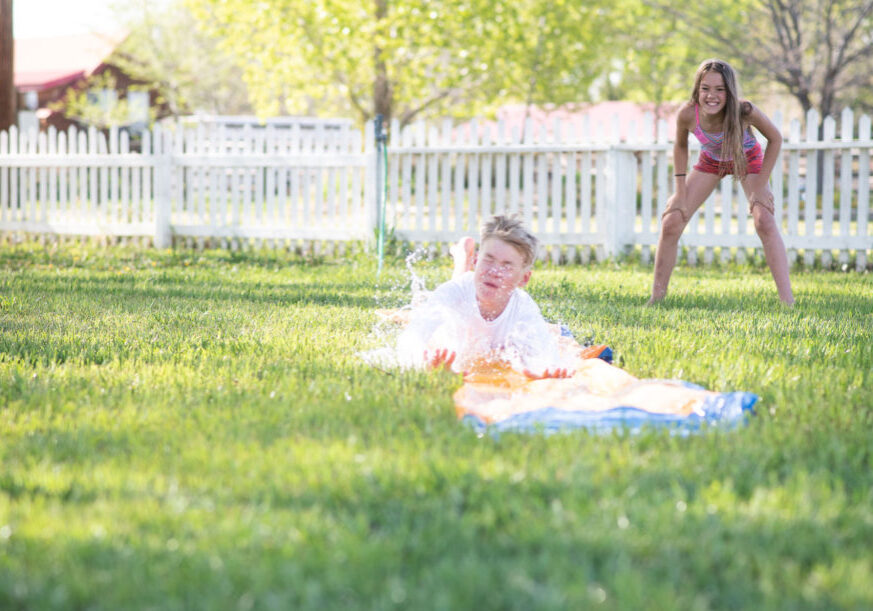
Seven Budget Friendly Backyard Activities for Summer
“Mom, I’m bored!” Those three words strung together can trigger waves of anxiety in any parent, especially during the summer months when a child’s daily schedule is wide open while […]

Santa Cruz County: Let’s Cruz!
Santa Cruz is the quintessential California beach town. Surfers on bikes pedal through the neighborhoods carrying their surfboards. Families hang out on the beach while the kids build sandcastles and […]
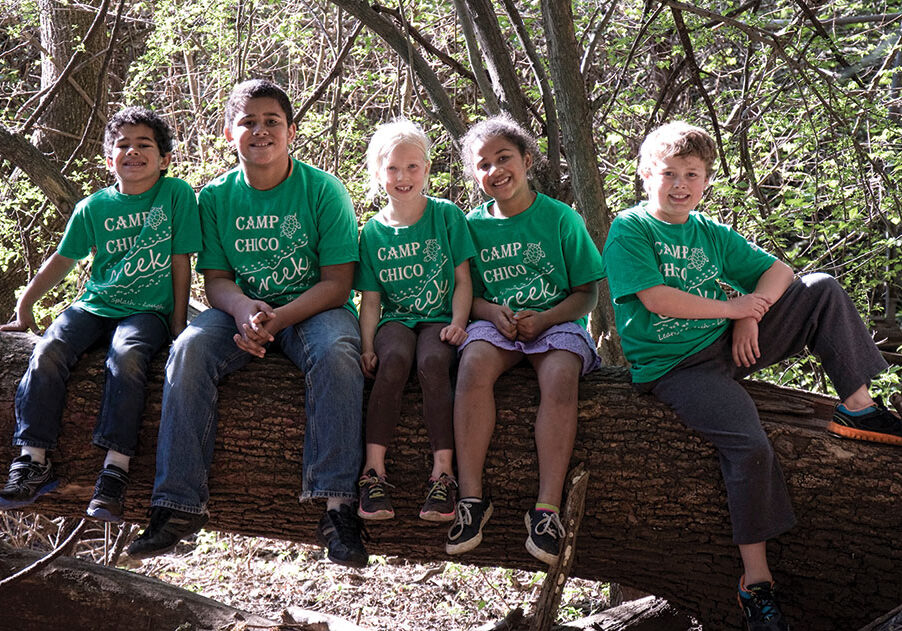
Ten Tips to Help Find the Best Camp for Your Child
Before you know it, it’ll be time to pack the sunscreen, swimsuits and bug spray for summer camp. Last summer, an estimated 10 million kids across the country went to […]
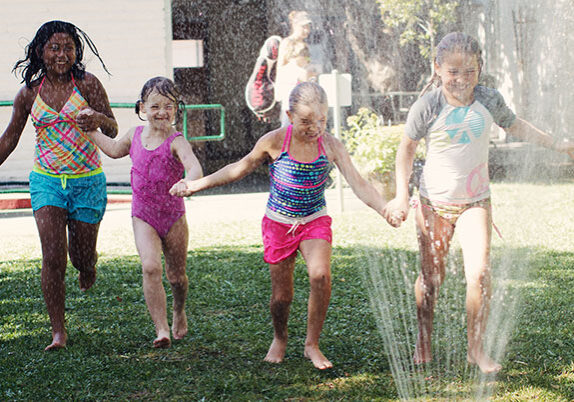
Keep Cool ‘til They’re Back in School
Summer may be winding down, but there are still plenty of hot days left here in Northern California. If your kids are anything like mine, they tend to alternate between […]