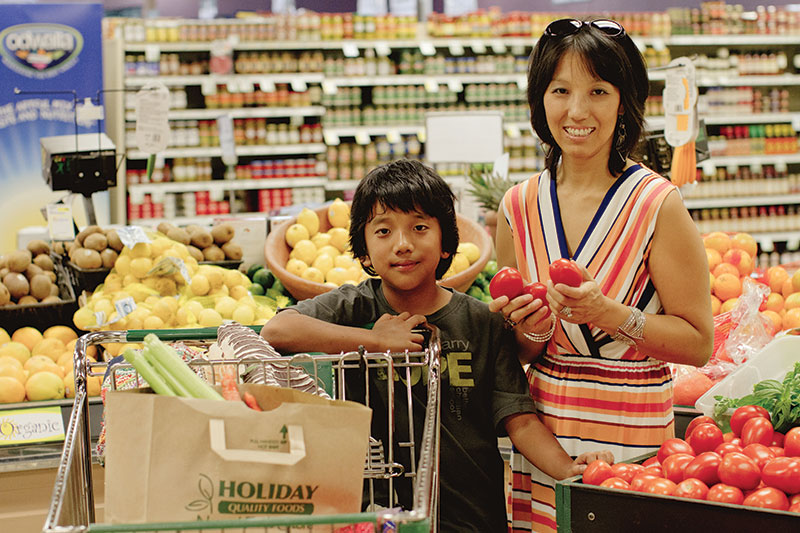
How often have you made New Year’s resolutions regarding your diet, only to forget them by the time Valentine’s Day rolls around? As busy parents, it can be difficult to make these resolutions a priority. Sometimes it helps to be specific: instead of “watch what I eat,” I resolved to track (most) meals using an online app. Cutting myself some slack and not being too restrictive also helps. Instead of “never,” I try “most of the time.”
Here’s a list of simple food-related changes anyone can make:
Replace sugar and fake sugar substitutes with a healthier option. Stevia is a natural sugar substitute made from the stevia plant. It’s calorie-free and stronger than sugar, without the aftertaste of artificial sweeteners. Use it to sweeten drinks, bake with it, or sprinkle it over fruit. Stevia can be found in the sweetener aisle of most grocery stores.
Nix the juice box. Most juice boxes are just sugared water. Even 100% fruit juice is mostly sugar and should only be consumed in small amounts. And all those containers are bad for the environment. Save money in the long run and invest in a few BPA-free, stainless steel bottles like Klean Kanteen®. I like to keep available a pitcher of water infused with fruits and veggies from our garden. Cucumbers, lemons, watermelon and pomegranate all make great infusions – go ahead and get creative!
Go meatless. If you aren’t a vegetarian, add a meatless meal to at least one dinner per week. Legumes are teeming with protein and fiber. A healthy and inexpensive way to stretch your food budget, legumes make great wintertime fare: think split pea soup, black bean burritos, and kidney bean spaghetti. In many cultures, eating black-eyed peas during the New Year is supposed to bring good luck.
Think local and organic. People assume buying organic is expensive, but joining a co-op or shopping at local farmers markets can save you money, plus you can feel good about supporting local farmers. Most kids love going to farmers markets and choosing produce. You can also plant a garden; involving kids in growing, shopping and meal planning makes them more likely to enjoy what they eat. If you can’t buy all organic all the time, choose the fruits and veggies where organic makes the most difference. Thick-skinned produce with inedible peels (like bananas, avocado and watermelon) are generally thought to be less important to buy organic.
Don’t be a “food cop.” Banning foods entirely can often backfire as does forcing kids to eat certain things. Better to involve kids in decisions about what we buy and why. As we alter our own eating habits and bring better choices into the home, our kids will usually mimic our behavior. That doesn’t mean we have to always eat perfectly: it’s okay to aim for “most of the time.”
Have a healthy New Year!
Posted in: Localicious

Comment Policy: All viewpoints are welcome, but comments should remain relevant. Personal attacks, profanity, and aggressive behavior are not allowed. No spam, advertising, or promoting of products/services. Please, only use your real name and limit the amount of links submitted in your comment.
You Might Also Like...
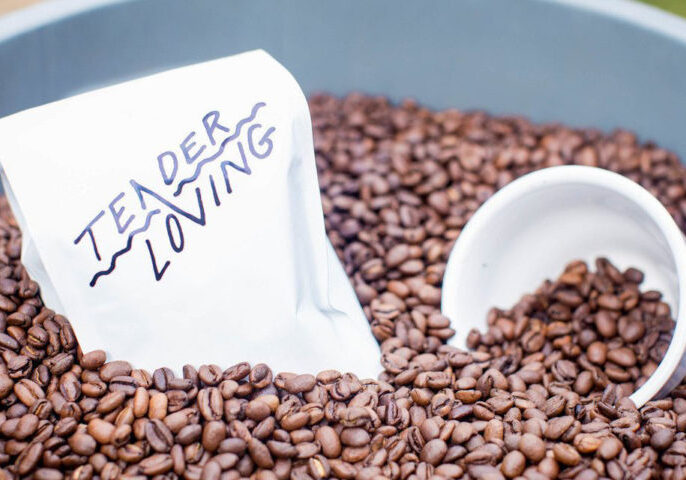
Coffee, Cafés & Community in Chico
Chico has been blessed with an amazing variety of coffee houses throughout the years. There is a passion for the perfect roast, smooth blend, and frothy foams; and enjoying a […]
Localicious: The Gluten-Free Belly
If we ourselves aren’t “gluten-free” we likely know of someone who is. “Gluten-free” simply means that one has removed gluten from their diet, typically due to a sensitivity, intolerance, or […]
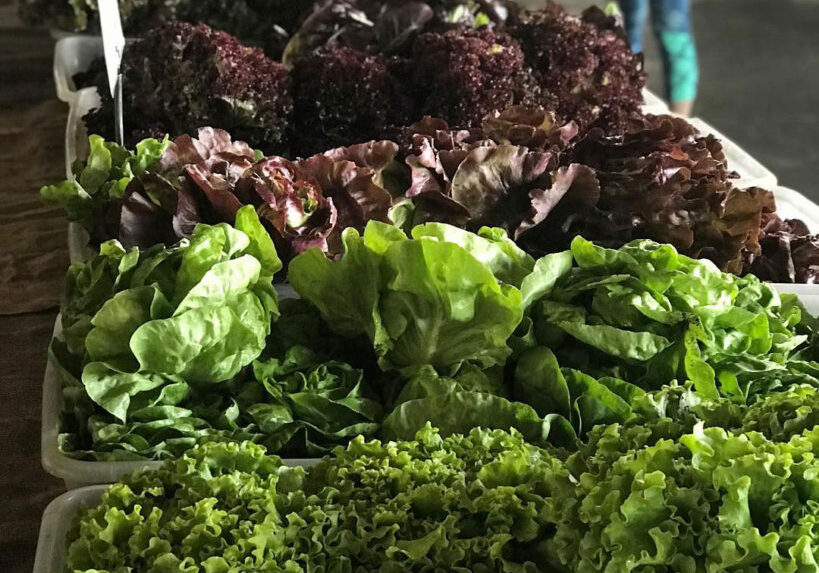
Salad Greens Grown With Regenerative Land Practices
One of my first jobs in the restaurant scene was the cold station or what is known as the pantry. I learned that the way you treat your greens at […]

Localicious: For the Love of Ghee
What’s better than butter? Butter made from organic, pasture-raised cows already has a dense profile of health-giving nutrients, and it’s hard to deny the love for a food that leaves […]