When we think of grief, we usually picture the death of a loved one. We imagine funerals, sympathy cards, casseroles dropped off at the door and the Five Stages of Grief we’ve all heard about. But for many people, grief arrives in quieter, less recognized ways. It shows up when a dream dissolves, when we realize our childhood didn’t turn out the way we hoped, or when life takes a direction we never chose.
The Many Faces of Grief
Grief can emerge when a child struggles with illness, mental health challenges or neurodivergence, and the imagined version of parenting – the hopes and dreams we held for our child – quietly slip away. It can appear during divorce, betrayal, looming retirement or the loss of a home to fire or disaster. These losses may not involve death, yet they can ache deeply, linger for years and shape how we move through the world. The truth is any change we did not choose can create grief. Couples may grieve the loss of a relationship, a move that uproots community or financial stability that once felt secure. These experiences often come with shame or confusion because they don’t fit the cultural script of what grief is “supposed” to look like.

Grief can take many forms and spring from a variety of challenging experiences. But no matter the source of grief, those who grieve need to be heard and acknowledged.
Disenfranchised Grief
Grief can also follow infertility or pregnancy loss, even when there is no headstone or public ritual to mark the pain. This is known as disenfranchised grief – grief that is judged, minimized or dismissed. For generations, when a woman experienced miscarriage, the world around her often moved on as if her pain shouldn’t exist. After all, there was no baby born and if the loss happened early, people might even argue that it wasn’t really a baby yet. But to a mother, the love for that being growing inside her was already real. When her loss is minimized, it can deepen her pain and leave her feeling isolated and alone. Without space to speak about her grief, she may carry it silently. In some cases, grief becomes even more complicated when parents are not allowed to hold a stillborn baby – to cradle her, see her face and say goodbye.
Recognizing “Invisible” Loss
Thankfully, this is beginning to change. Our society is slowly waking up to the truth that these losses are just as legitimate as any other form of child loss and deserve to be mourned fully and openly.
One of the hardest aspects of these hidden losses is their invisibility. Friends may say, “At least you can have another baby,” or “Everything happens for a reason,” not realizing how dismissive those words can feel. Without permission to grieve, people often minimize their own pain, pushing it aside to remain functional. Over time, unacknowledged grief can surface as anxiety, irritability, exhaustion, or a persistent sense that something is wrong – even when life looks fine on the outside. These losses can also compound. A child’s diagnosis may bring renewed grief at every missed milestone. Co-parenting after separation can reopen wounds with each holiday transition. Even positive changes – like children growing older and more independent – can stir grief for a chapter that is closing. This kind of grief isn’t linear or brief. It revisits us again and again, asking not to be fixed, but to be witnessed.
Grieving Loss and Healing
Naming these losses matters. And we cannot grieve multiple losses at the same time. Each separate grief must be grieved individually. Grieving doesn’t take a lot of time, but it requires dedicated time. When people are allowed to acknowledge grief without comparison or judgment, healing becomes possible.
Equally important is how we respond to one another. Instead of fixing or reframing, we can listen. We can say, “That sounds really hard,” and let that be enough. We can trust that people are capable of holding gratitude and grief at the same time.
When we broaden the definition of grief beyond death, we offer compassion instead of silence. We allow people to mourn what was, adjust to what is and imagine what might still be possible.
Grief isn’t a problem to solve; it’s a human response to loss in all its forms. When we finally talk about the losses we don’t usually name, we remind people they are not alone – and that reminder can be profoundly healing.
Kids experience grief in many ways and may need extra help to process their emotions. Kids Grief Explorers Club in Redding can help. This in-person grief group for kids led by Child Life Specialist Suzanne Tovey, provides a safe, understanding environment for children to express their emotions, connect with peers and build healthy coping skills through creative activities and discussions. It meets in Caldwell Park according to age group. Visit ReddingRecreation.org and click “Register Online” to enroll your child.
If you or someone you know is in grief, you can find resources and support under Grief Support on page 49.
Posted in: Family Life & Support, Health & Nutrition

Comment Policy: All viewpoints are welcome, but comments should remain relevant. Personal attacks, profanity, and aggressive behavior are not allowed. No spam, advertising, or promoting of products/services. Please, only use your real name and limit the amount of links submitted in your comment.
You Might Also Like...

The Girl Scouts Meet Modern Challenges in a COVID-19 World
Gaining confidence and growing from the experience of meeting challenges has always been part of the Girl Scout tradition. Last year, the Girl Scouts of Northern California and Girl Scouts […]

Lying or Pretending? Teaching Kids to Tell the Truth
Somewhere around the age of three, when children begin to understand parents may not know what they actually did or didn’t do, your precious little angel may begin to tell […]
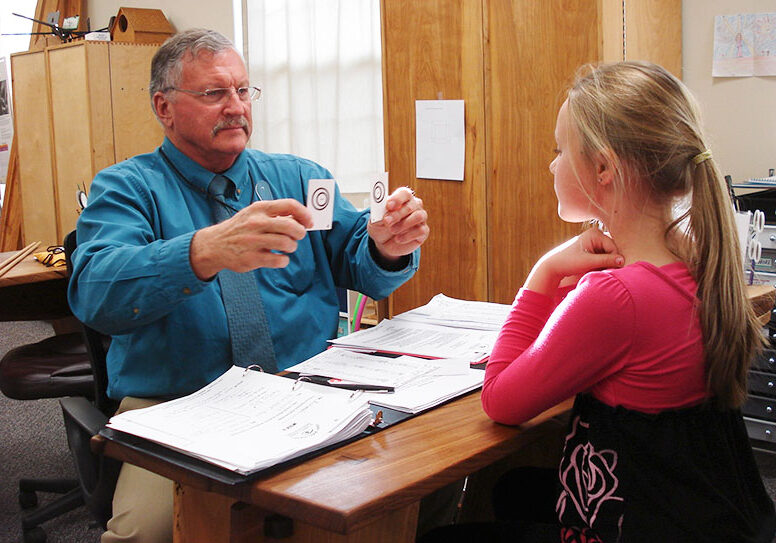
Developmental Optometry And Vision Therapy – What It Is And How It Can Help
Have you felt helpless about your child’s school performance? You are not alone. Did you know vision therapy can help? On the Children’s Vision Information Network website, a parent explains […]

Not Just for Taco Tuesday – Salsas Spice Up Any Day
As a staple on most tables for Taco Tuesdays, salsa is one of my favorite condiments. The blend of peppers, spices and tomatoes, with just the right amount of heat […]