Traumatic brain injuries are getting more coverage these days. But stories usually cover adult injuries. To learn more about the risks to our children, we reached out to Dr. Nate Parker, father of two and medical director for Mercy Mt. Shasta’s emergency department.
Huddle up for some hard truths
“I think you’ll find a lot of doctors will never put their kids in football. Just from the amount of serious brain injuries we see and the amount of trauma we see as a result of that,” says Dr. Parker. “The opinion that no kid should play contact football is unpopular, but I’m going to stick with it.” And for good reason. “I think there’s probably a lot of undiagnosed concussions out there with kids playing football. And so I think we’re running the risk of kids having permanent damage.”
Dr. Parker explains the risk of damage to young brains. “We see some really long term and permanent injuries for children playing football. A lot of repeated head trauma. You know, getting a concussion a single time is OK and can happen to anyone, but once you start stacking them on top of each other and you get another concussion while the brain is still healing, then we start running the risk of permanent brain injury.”
When it comes to football, Dr. Parker says, “I really think it’s something kids should start when they’re 18 or older.” The brain is still developing during childhood and isn’t fully set until your mid-to-late 20s, according to the National Institute of Mental Health.
The concussion discussion and warning signs to look out for
It takes anywhere from two weeks to up to over a year for a concussion to fully heal, even if your child feels fine. And intensity of impact doesn’t always predict how long a brain will need to recover.
If your little person got a big enough bonk to be in brain injury territory, there are some warning signs to look out for. “Red flags can be repeated episodes of vomiting,” Dr. Parker says. “A single episode of vomiting is to be expected and can happen, but when it goes on more than once, that can be a concern. If someone becomes drowsier or more altered, more confused,” it can be sign of serious brain injury. Increasing disorientation is a sign that something may be significantly wrong.
And there can be physical signals that are causes for concern, as well. “If there’s obviously a deformity to the head or a significant amount of swelling, that could be a sign of a skull fracture.” And these indicators run throughout all age groups. “Usually, you’ll know if it’s a life-threatening head injury within the first four hours.”
The dos and don’ts of concussion care
Concussions can be life-altering and taking them seriously can be a matter of life and death. Rest is essential here. It’s important to take it easy and not reinjure that noggin during this crucial repair time.
“One of the biggest aggravators for concussion symptoms and delayed healing is screen time,” Dr. Parker explains. The stimulus and concentration requirements are the real culprits there. Which means reading fine print, video games and TV time are just as bad as being glued to the phone. Loud noises, bright lights, rough housing, contact sports and anything with heights and a risk of falling are also not friends to recuperation.
Taking it easy is key for concussion recuperation
So what can you do? It seems like all the fun stuff is off the list, but that’s not necessarily the case. You’ve just got to make sure your child’s enjoyment comes in a more mellow form for a little while. Encourage them to relax with gentler music, story books on tape, stick to quiet spaces and avoid rowdiness while that brain is doing the hard work of putting itself back together.
Staying cooped up in the house the whole time isn’t necessary. They can go into the yard to enjoy nature and maybe even visit the woods or check out a museum if they’re getting stir crazy, provided you’re careful to take breaks and not let them overstimulate their brain. It’s the only one they’ve got.
Posted in: Recreation & Sports

Comment Policy: All viewpoints are welcome, but comments should remain relevant. Personal attacks, profanity, and aggressive behavior are not allowed. No spam, advertising, or promoting of products/services. Please, only use your real name and limit the amount of links submitted in your comment.
You Might Also Like...
Ice or Roller Hockey: North State Kids Find Community, Encouragement and Personal Growth While Having Fun
“Participating in hockey helps kids build character,” says Siskiyou Ice Rink Manager Gary Nordell. “It helps them understand how to be in competitive situations and develop motor skills and coordination. […]
Different Sports for Different Kids: Getting Children to Develop a Lifelong Love of Physical Fitness
At a time when being hooked on smartphones is prevalent in our society, it’s more important than ever to help children (and adults) make physical fitness a priority. But how […]
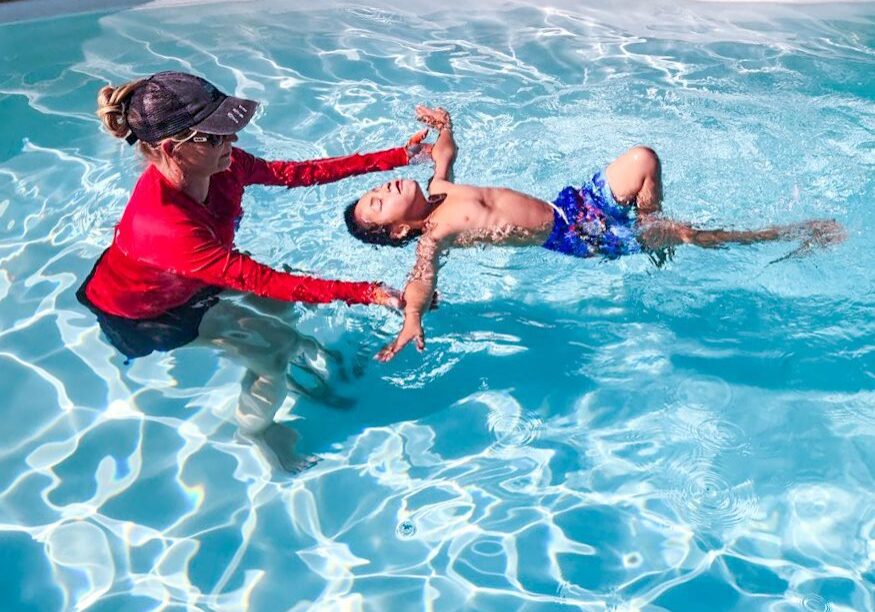
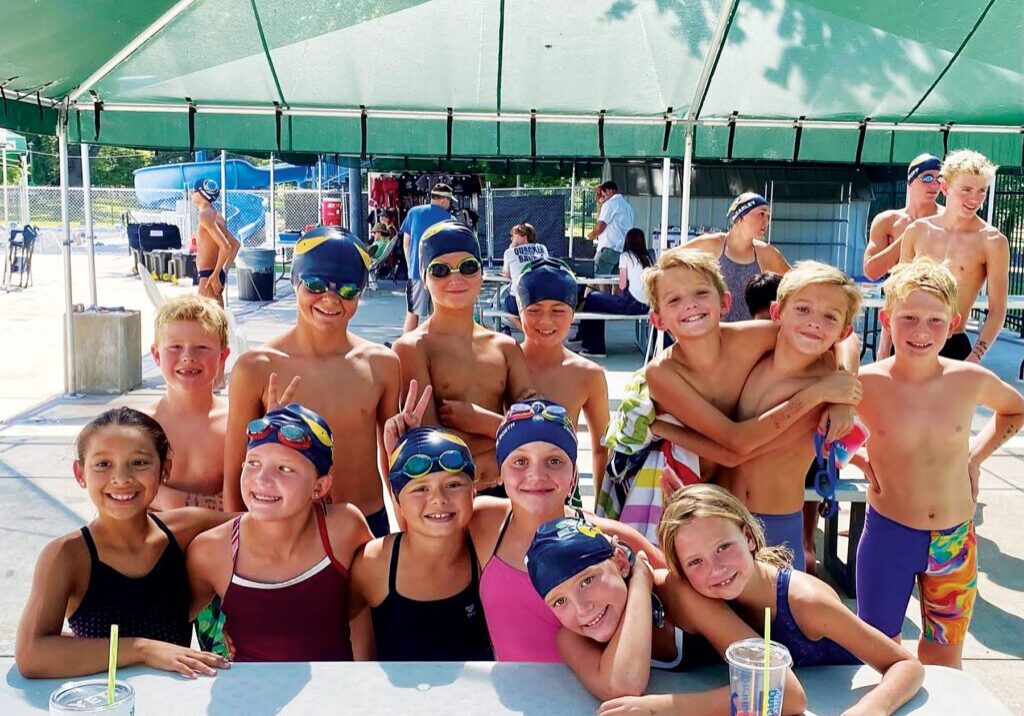
The Benefits Of A Summer Swim Racing League In Northern California
For families in Shasta, Siskiyou, Trinity and Butte counties, summer is a time for adventure, challenge and fun in the water. One of the best ways for kids to make […]